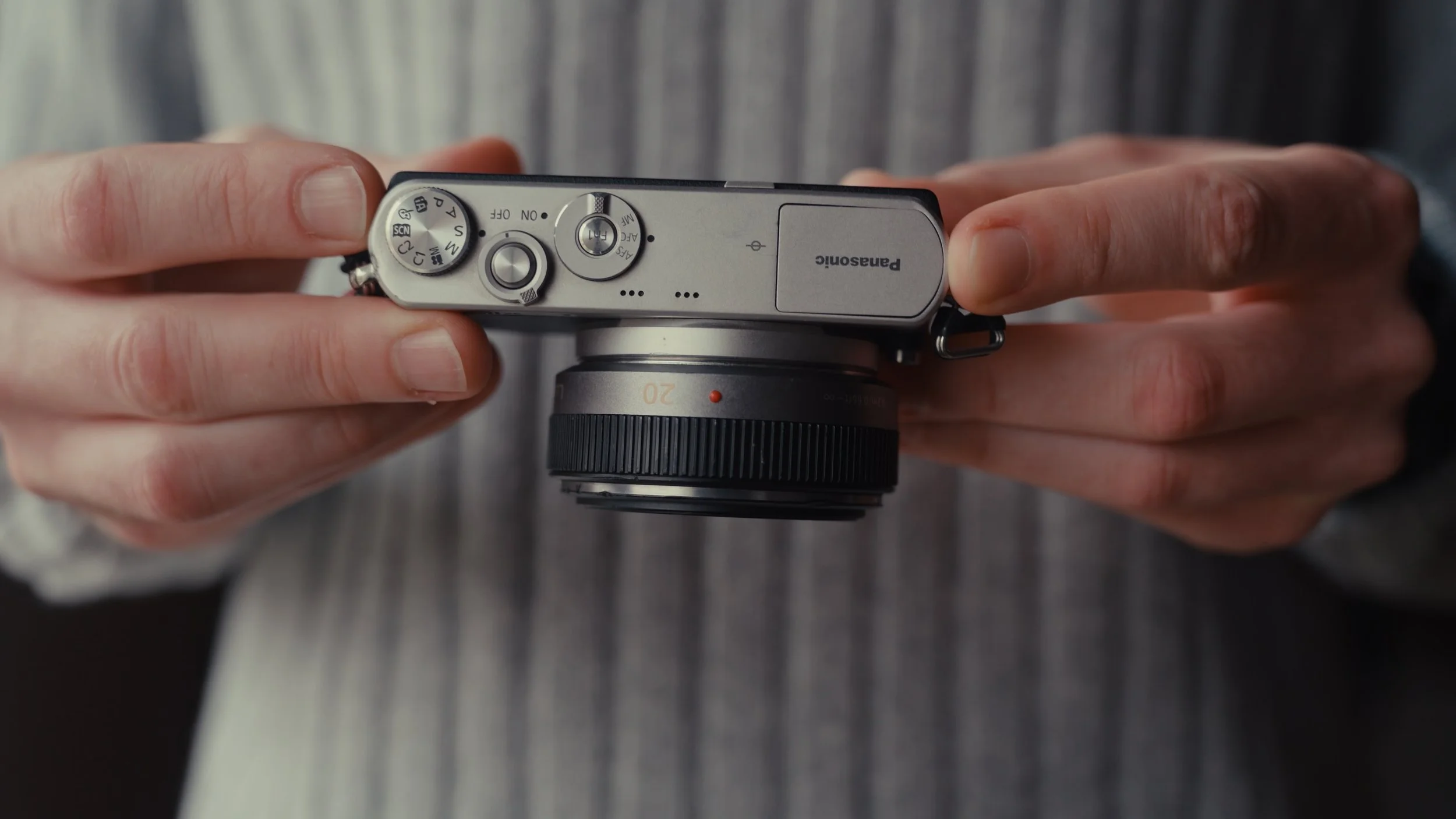
For the last few years, it looked as though smaller Micro Four Thirds (MFT) cameras were fading away. While some newer models like the OM-3 have arrived, many enthusiasts argue they aren't truly small compared to classic lines like the Lumix GX or Olympus PEN. If photographers wanted a large body, they would likely choose a full-frame sensor, the true appeal of the Four Thirds format lies in its portability.
The Shift Towards Everyday Portability
The competitive advantage of the MFT system has been under pressure as full-frame cameras become smaller and APS-C models like the Fujifilm X100VI offer feature-packed, aesthetically pleasing alternatives. However, market trends show a clear divide in consumer appetite. While some photographers chase high-end, heavy specs, there is a massive demand for compact, "fun" cameras for documenting daily life. This suggests a significant opportunity for a refreshed GX or PEN line.
Unexpected Players Enter the Field
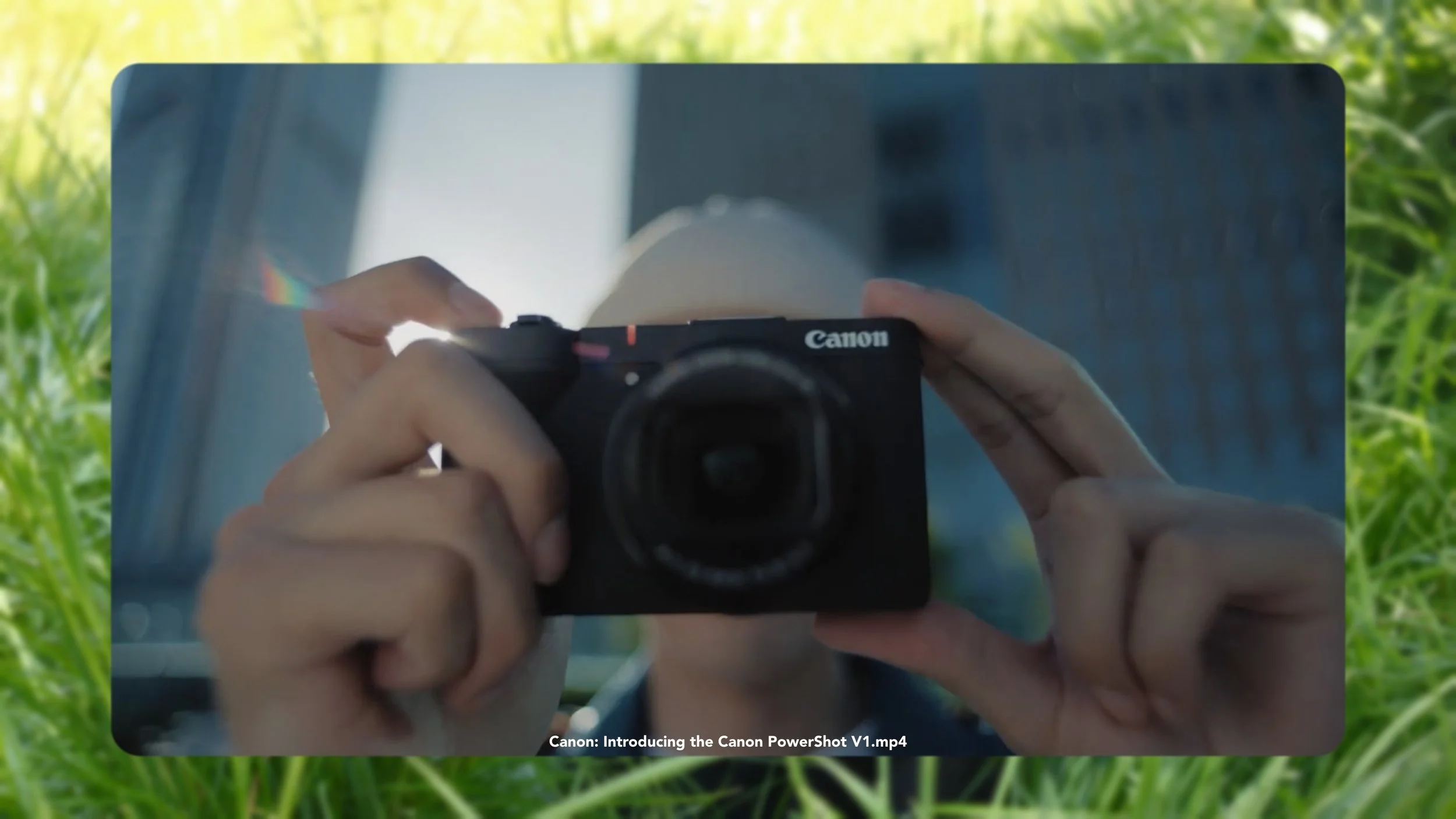
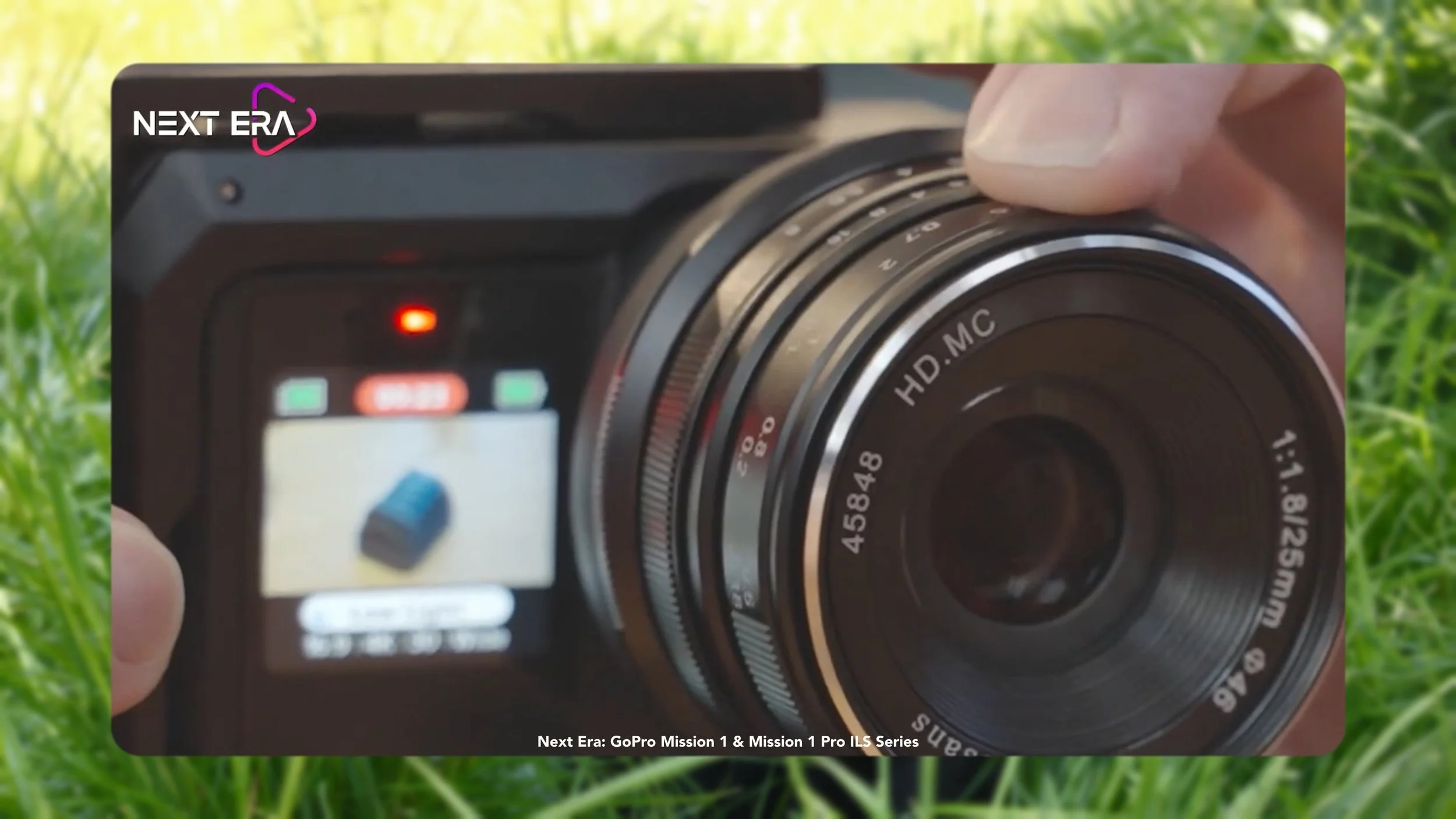
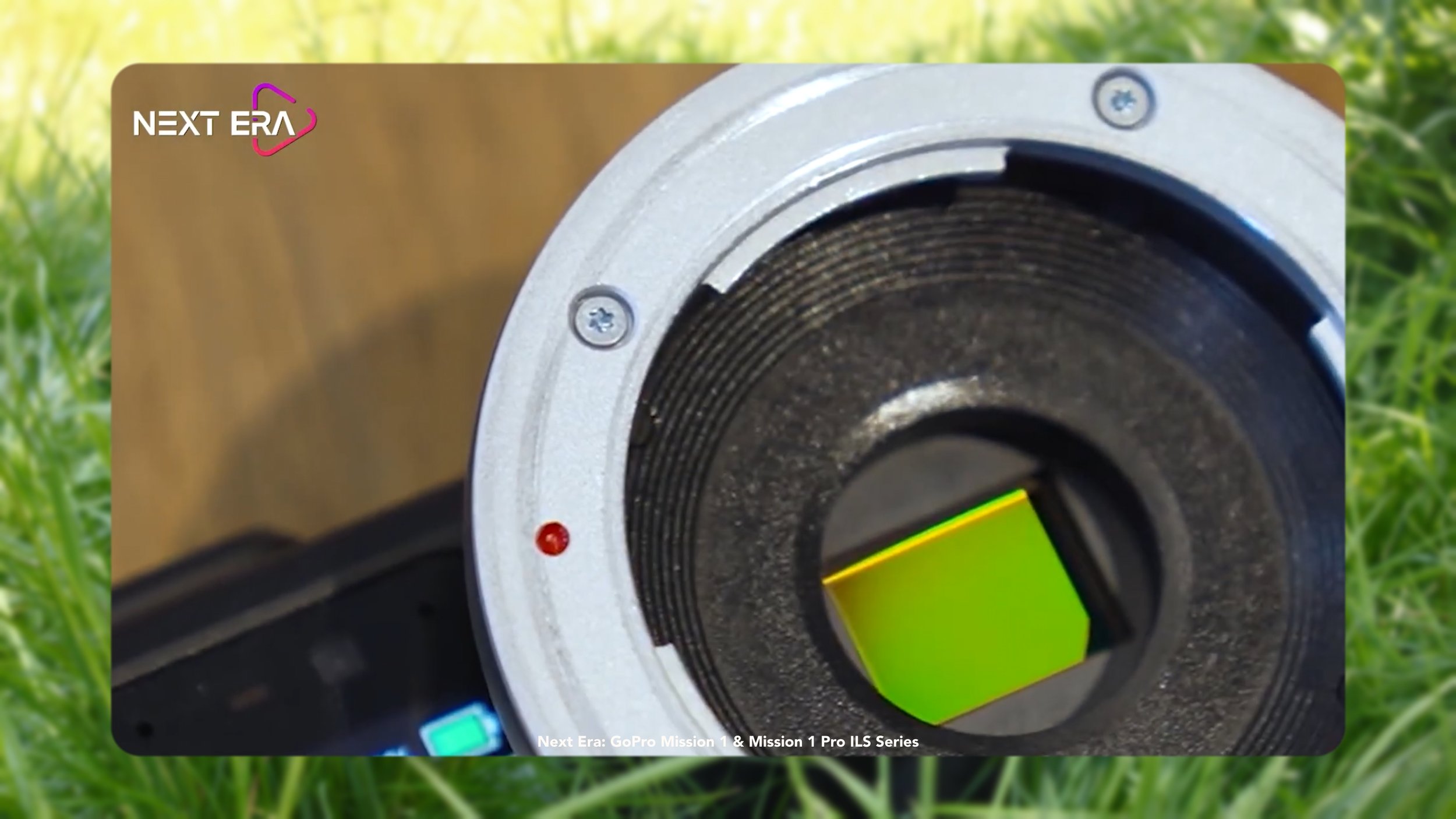
Developments outside the traditional MFT brands are sparking new interest in the format. Canon recently refreshed its PowerShot line with the V10, opting for a sensor size that essentially mimics Four Thirds, showing faith in the format's image quality for normal users. More surprisingly, GoPro’s "Mission One" line features a literal Micro Four Thirds mount. Although it currently lacks electronic contacts for autofocus, it serves as a fascinating proof of concept and signals health for the lens mount ecosystem.
Rumours and Confirmed Developments
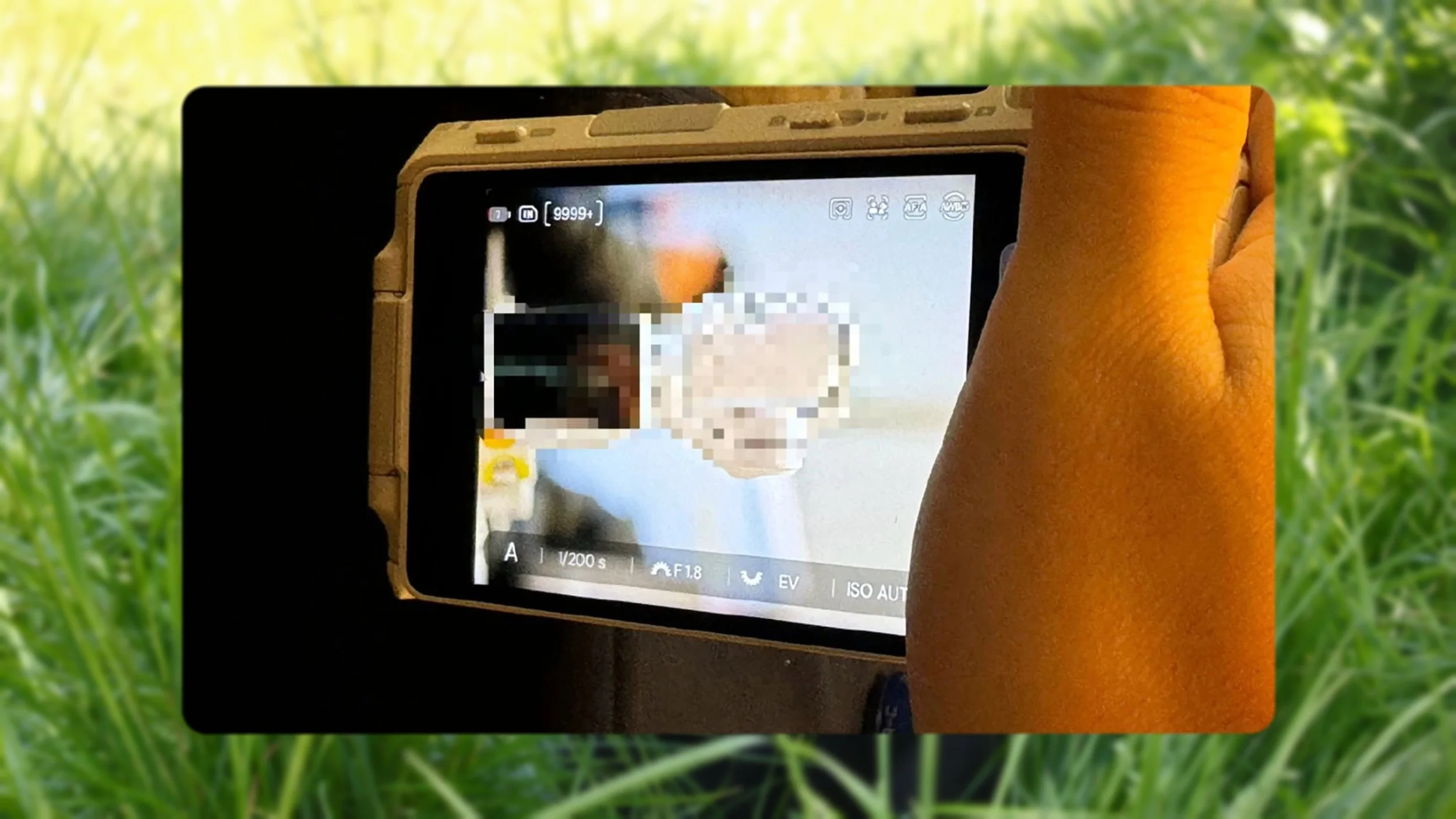
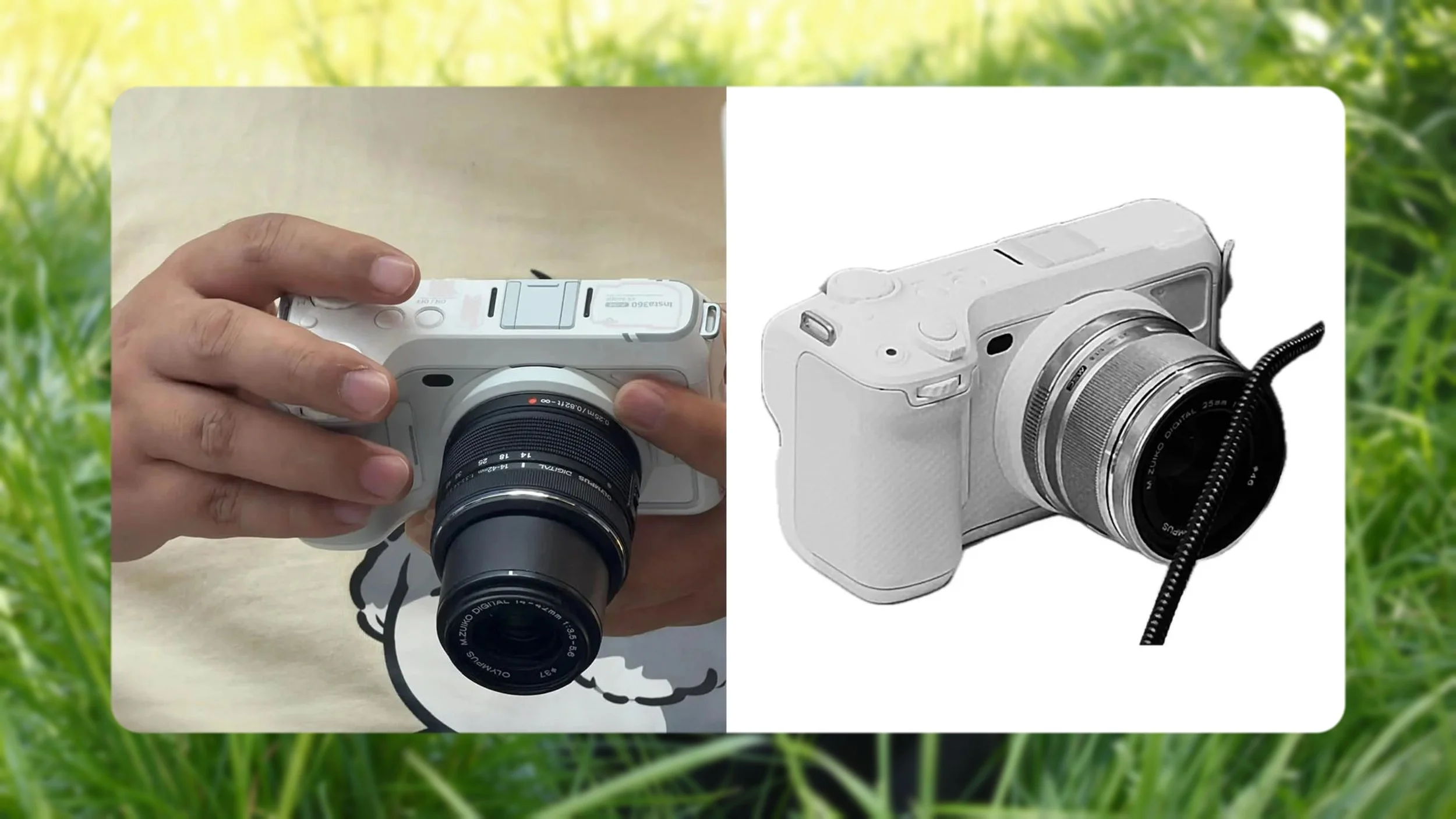
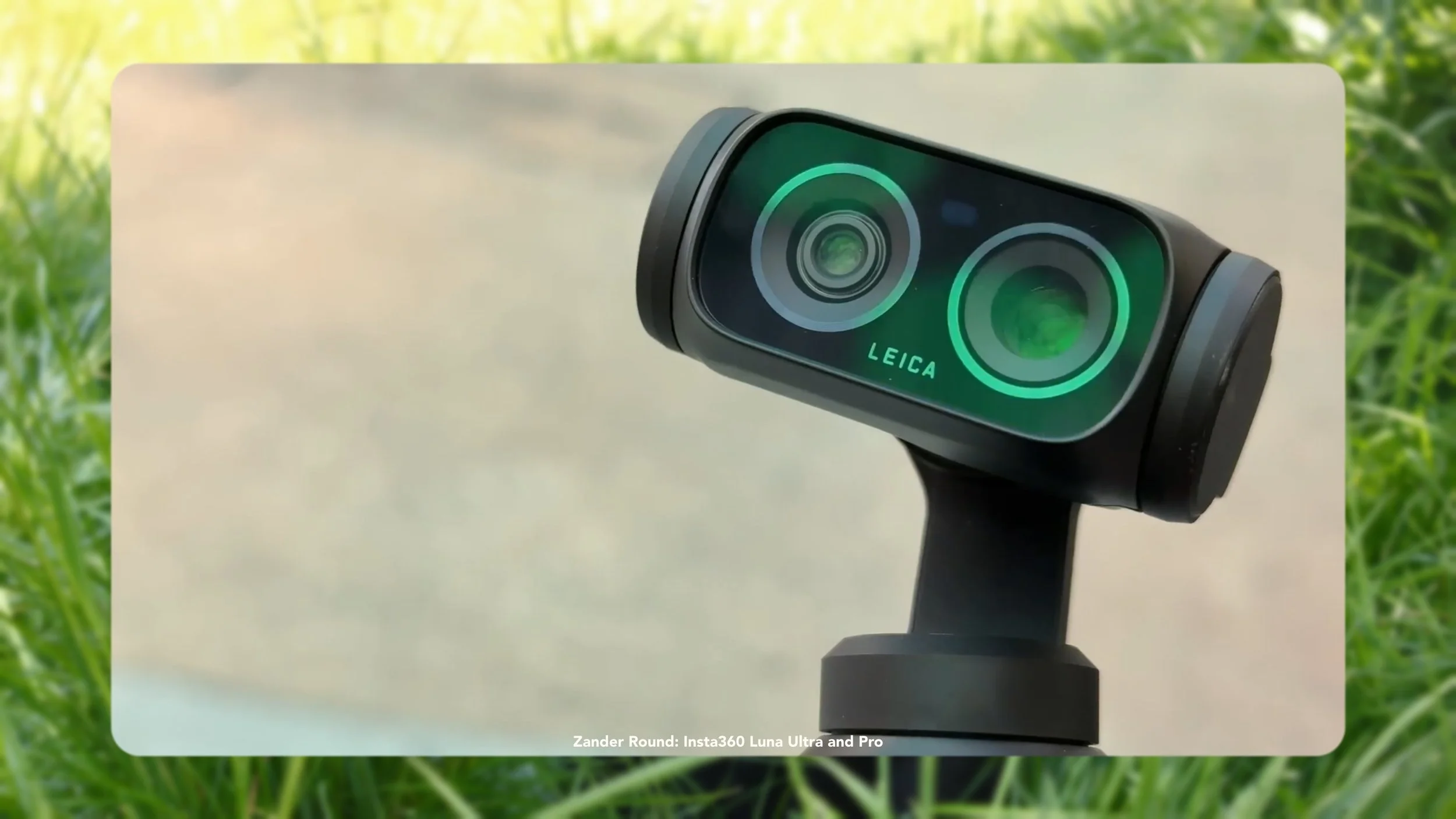
The "Rumoursville" mill is spinning fast regarding Insta360. Leaked images suggest they are developing an interchangeable MFT camera with electronic aperture control. Meanwhile, in the world of confirmed news, OM System has finally broken its silence. After years of vague answers, they have confirmed that a new PEN camera is actively in development. Whether it is a streamlined entry-level body or a high-end "PEN-F" successor with up-to-date autofocus, the return of this iconic line is exactly what the community has requested.
Why 2026 is the Year of the Compact
Market trends indicate that smaller, stylish cameras are on the rise for normal people. If you want to see what pro photographers use, you look at a sports event; if you want to know what normal people want, you look at what is being used at major tourist locations like the Eiffel Tower. The trend towards "lifestyle" photography has made MFT relevant again. Two years ago, the system looked stagnant; today, it feels like we are on the verge of a new era for small-sensor excellence.
Help support this ad-free blog by checking out my store.
What style can I expect from these presets?
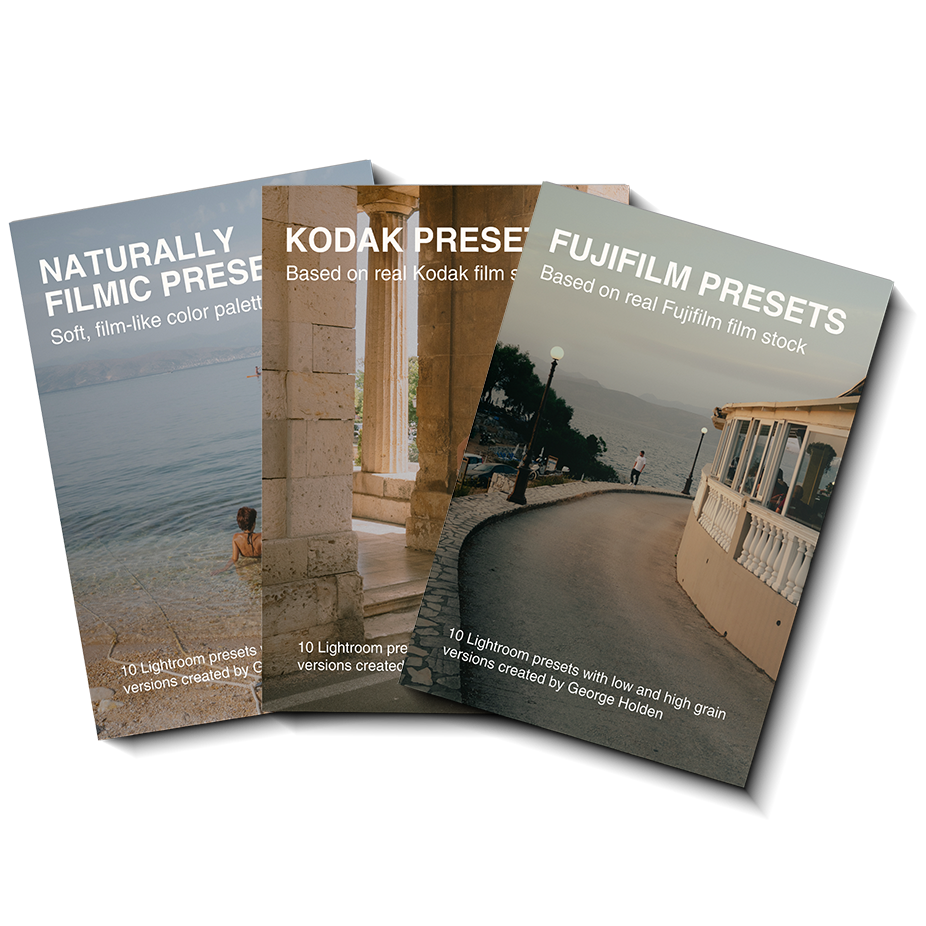
These presets are based on specific Kodak Film Stocks, Fujifilm Film Stocks and various film stocks I have shot in various lighting conditions which you can see in the preview images for each pack.
How many presets are in this pack?
30 - with low and high grain versions for each preset.
Each preset has both .xmp and .dng file types.
Which software supports these presets?
You can choose from these Adobe softwares:
Lightroom Classic
Lightroom CC Desktop
Lightroom CC Mobile
Photoshop (adobe camera raw)