There's always a choice between carrying a set of prime lenses or relying on one fast aperture zoom, but the trade-off is usually one of size, flexibility and price. But what if that trade-off was now getting much smaller thanks to one interesting third-party?
One year ago when I was getting rid of some kit to buy my one zoom lens to take around the world with me, I was weighing up two lenses: the Sony 24-50 f/2.8 G lens or the 20-70 f/4 G lens also from Sony. When I was weighing up having the shorter kind of focal range with the fast aperture of the 24-50 versus the 20-70's wider zoom range but with the f/4 aperture, I ultimately decided to go with the 20-70.
But after one year of just using this zoom lens for all of my video shooting, do I actually regret it?
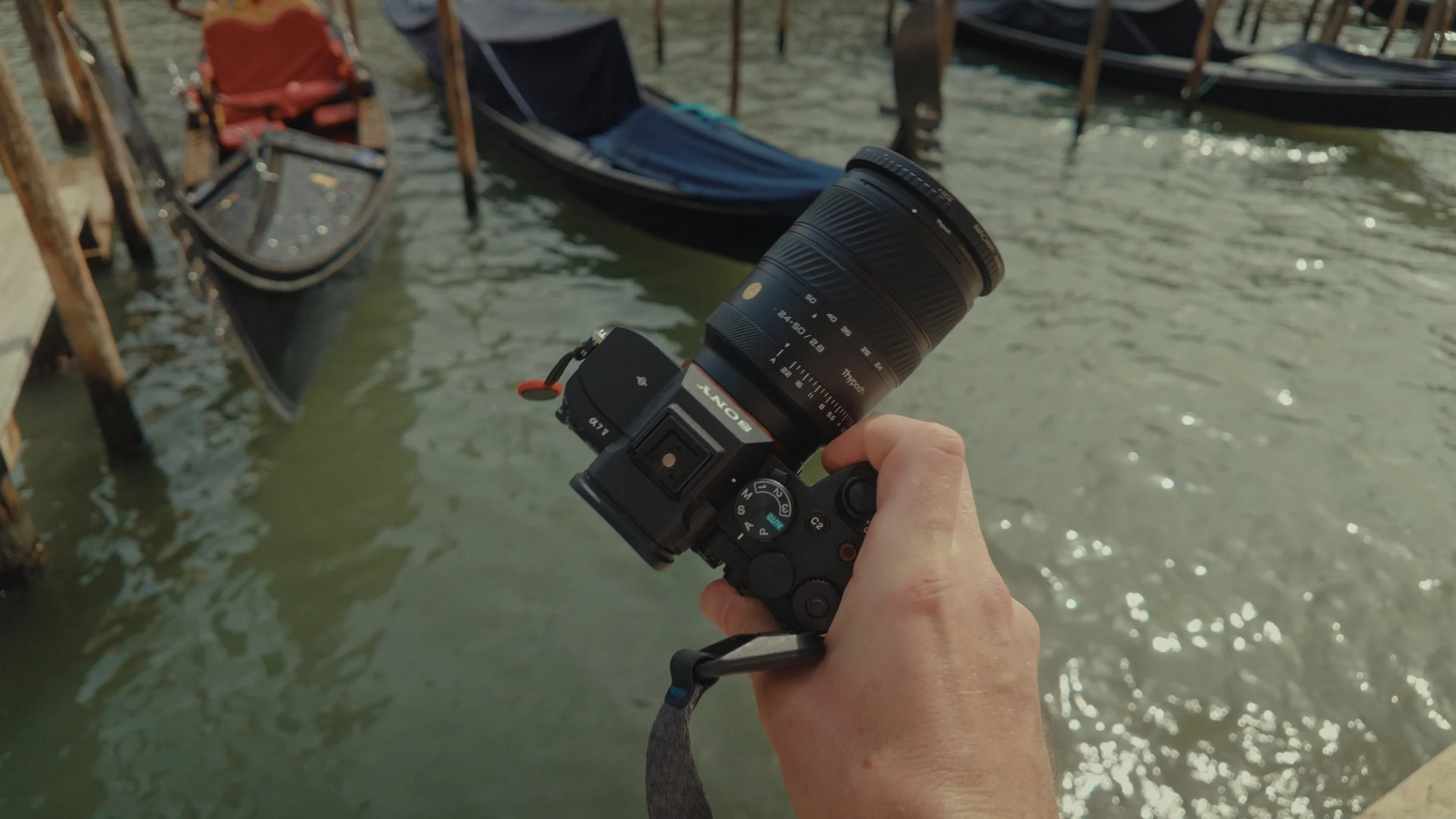
Now I have the opportunity to essentially put these two lenses against each other and find out what my life would be like with the 24-50 from Sony, only from Thypoch. Thypoch are not sponsoring this video, but they have kindly sent me the Voyager 24-50 f/2.8 for Sony E-mount to test out, show you guys in a video.
I'm going to be very honest about this lens because it's definitely not perfect, but for the price, are the trade-offs actually worth it?
Real-World Video & Field Testing
We're not just talking about video in this blog: there's also going to be lots of photography as well. I've already been using the Thypoch 24-50 Voyager lens on one of my recent projects. On the first episode of Dogs with Jobs (or at least the first instalment anyway), I was actually taking photos on my Sony 20-70 because I had dogs going from very long distance to very up close and I wanted that kind of zoom range flexibility. Lisa was actually using the Thypoch 24-50 on my old Sony A7C II for shooting some B-roll of the day.
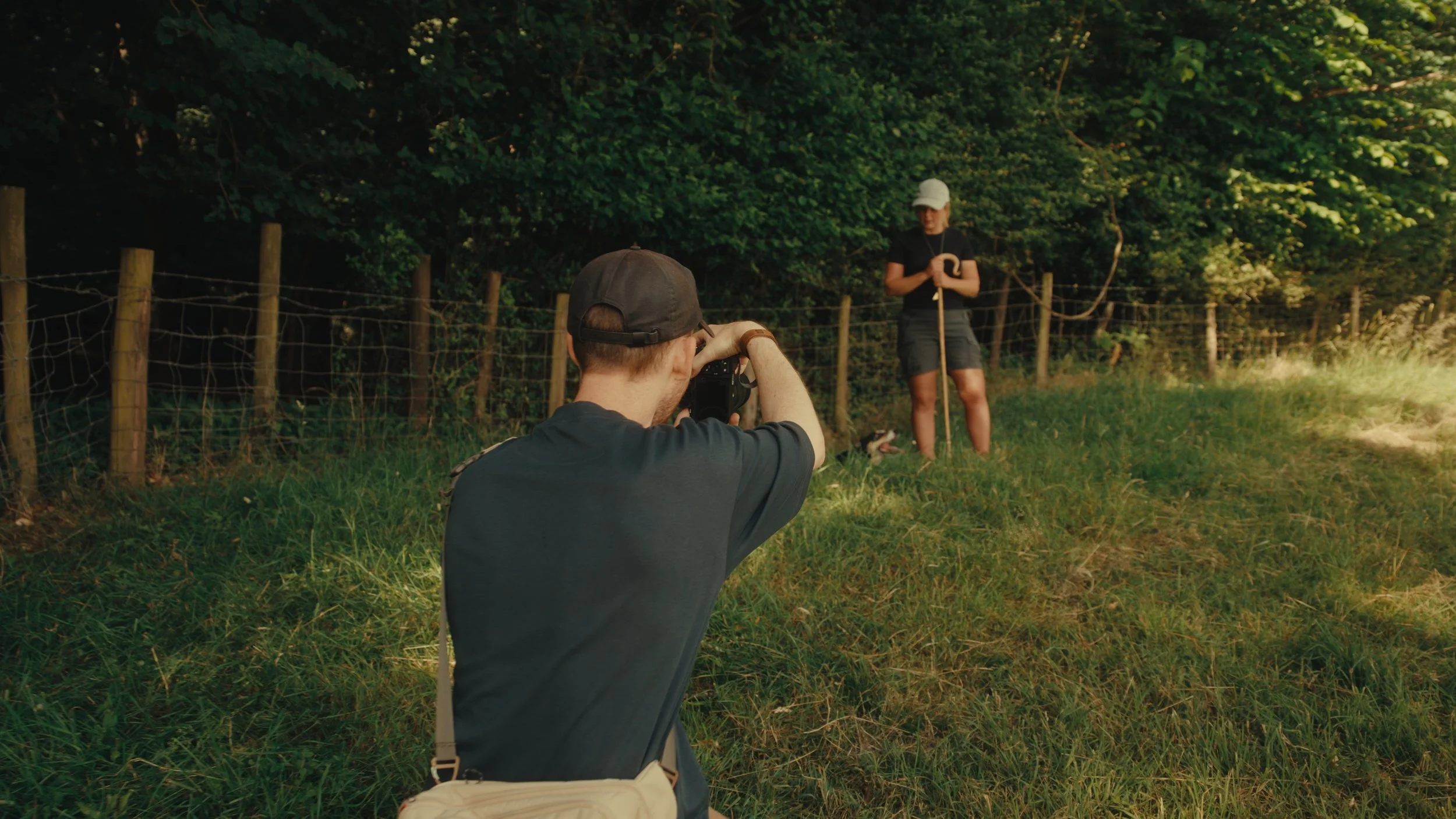
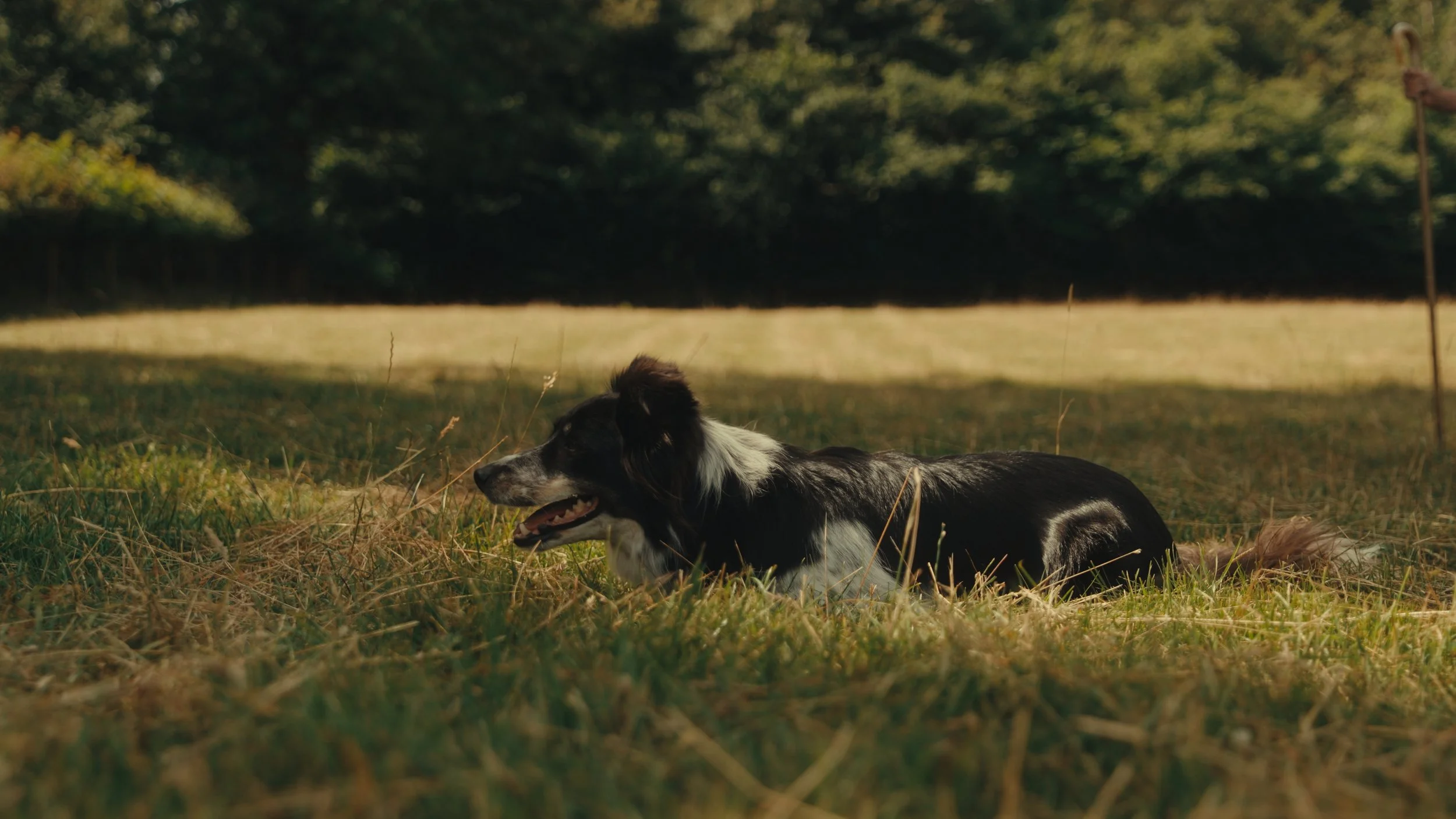
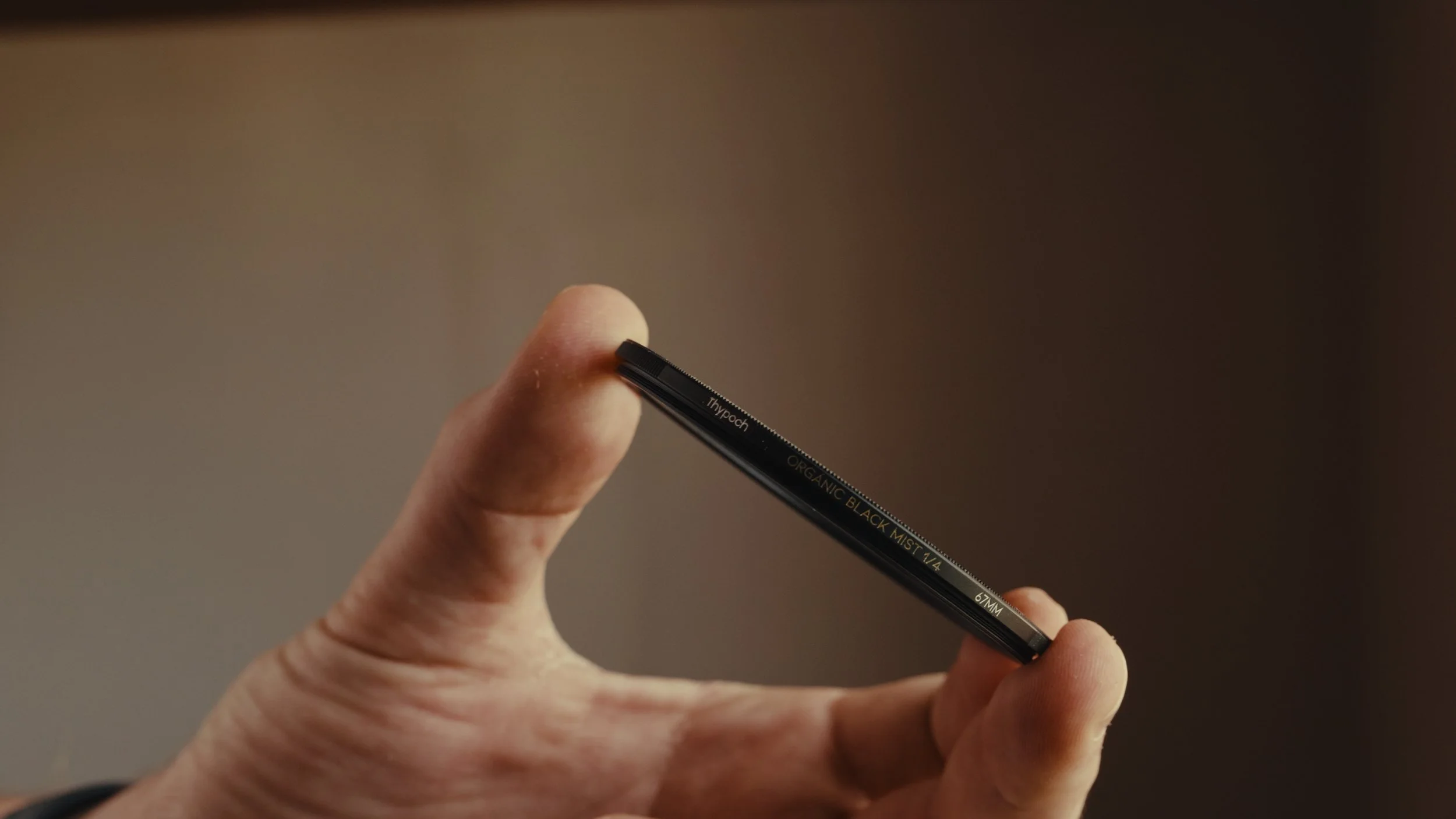
Immediately from the B-roll that Lisa gathered for this video, I was really pleased with the image quality and the autofocus performance. On the front of the lens Thypoch actually sent a quarter strength black pro-mist filter, I think one of their own pro-mist filters, so I've had this on the front of the lens the whole time. It's a 67 millimeter filter thread, and annoyingly while I've been traveling I haven't had some of my preferred ND filters with me, but I did have a 67 millimeter K&F Concept variable ND filter laying around and it's actually been performing pretty well. That's the setup Lisa was using for gathering all this footage of the Dogs with Jobs shoot using the Thypoch.
Zoom Range & Focal Coverage
Even with the somewhat limited focal range of 24 to 50 on a full frame camera, I think you can get a really nice amount of coverage on this lens. 50mm is pretty comfortably where I go to most of the time even on my 20-70, but when you do need those extra 20 millimeters, they do go a long way.
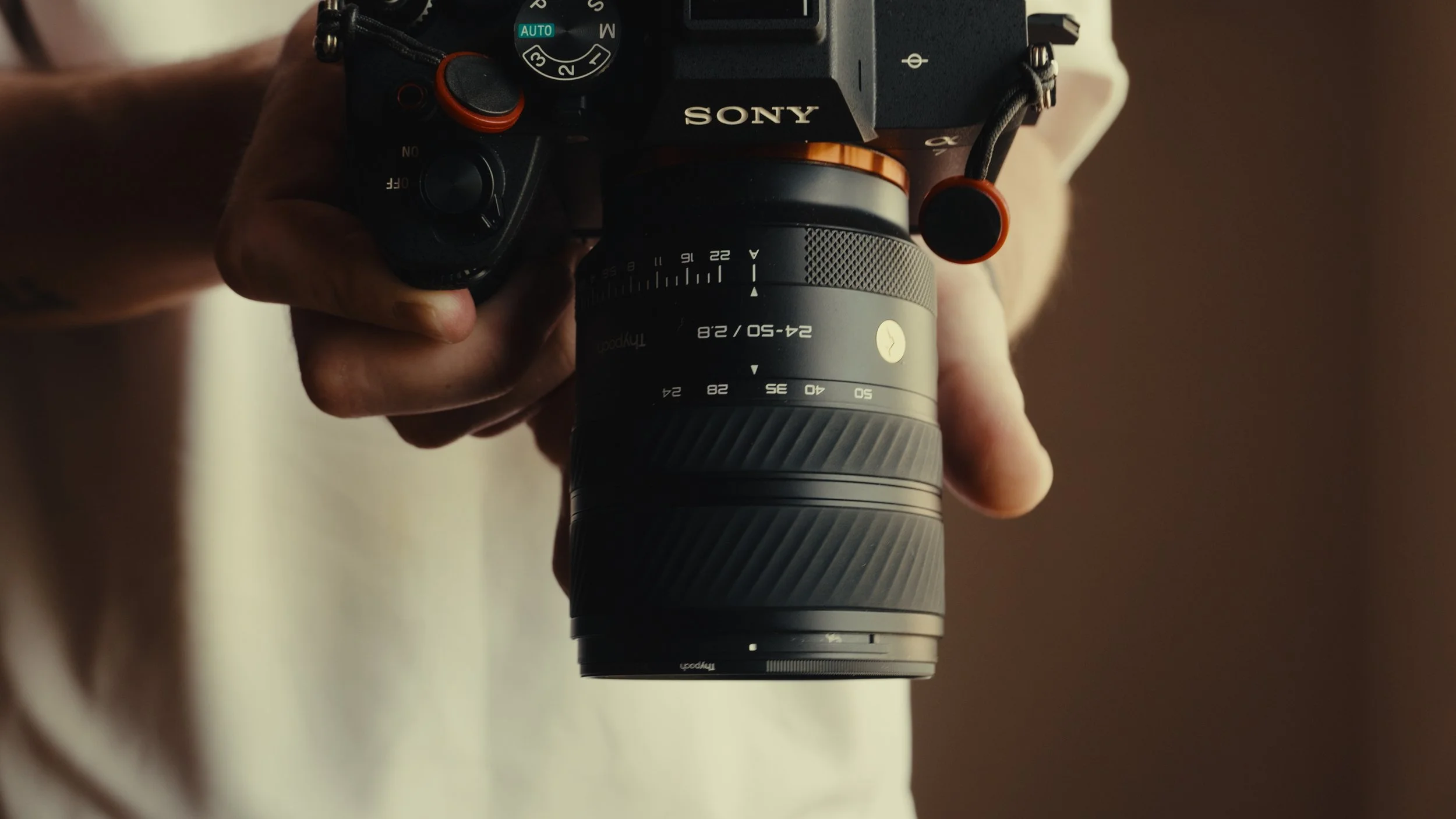
Of course, on a Sony camera you can also crop in to APS-C mode and even use Clear Image Zoom to extend your zoom range even more, but you can't do that at the wide end, so I've only been able to go down to 24. For me, as someone who has had the option of 20mm for the last year, it does feel a little bit limited. Still, it's an interesting trade-off, especially given the size and weight of this lens compared to the 20-70mm.
Lens Design & Standout Features
Before we get into the rest of the examples and photography, let's take a quick look at the overall design of this lens. It's very different to the Thypoch lenses I've used like the Simera line of manual focus lenses that feel very much Leica inspired. This one is completely different in my opinion.
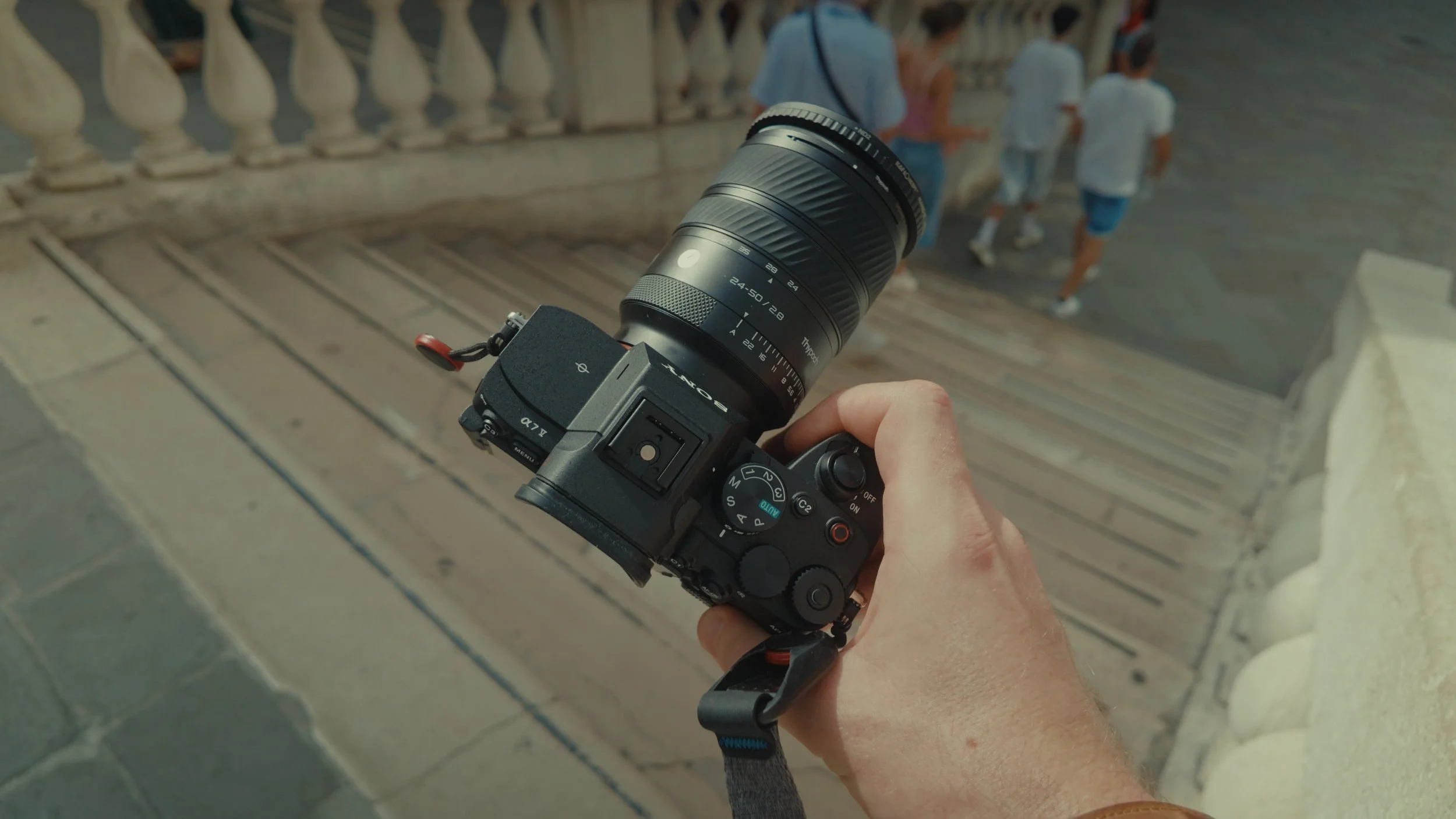
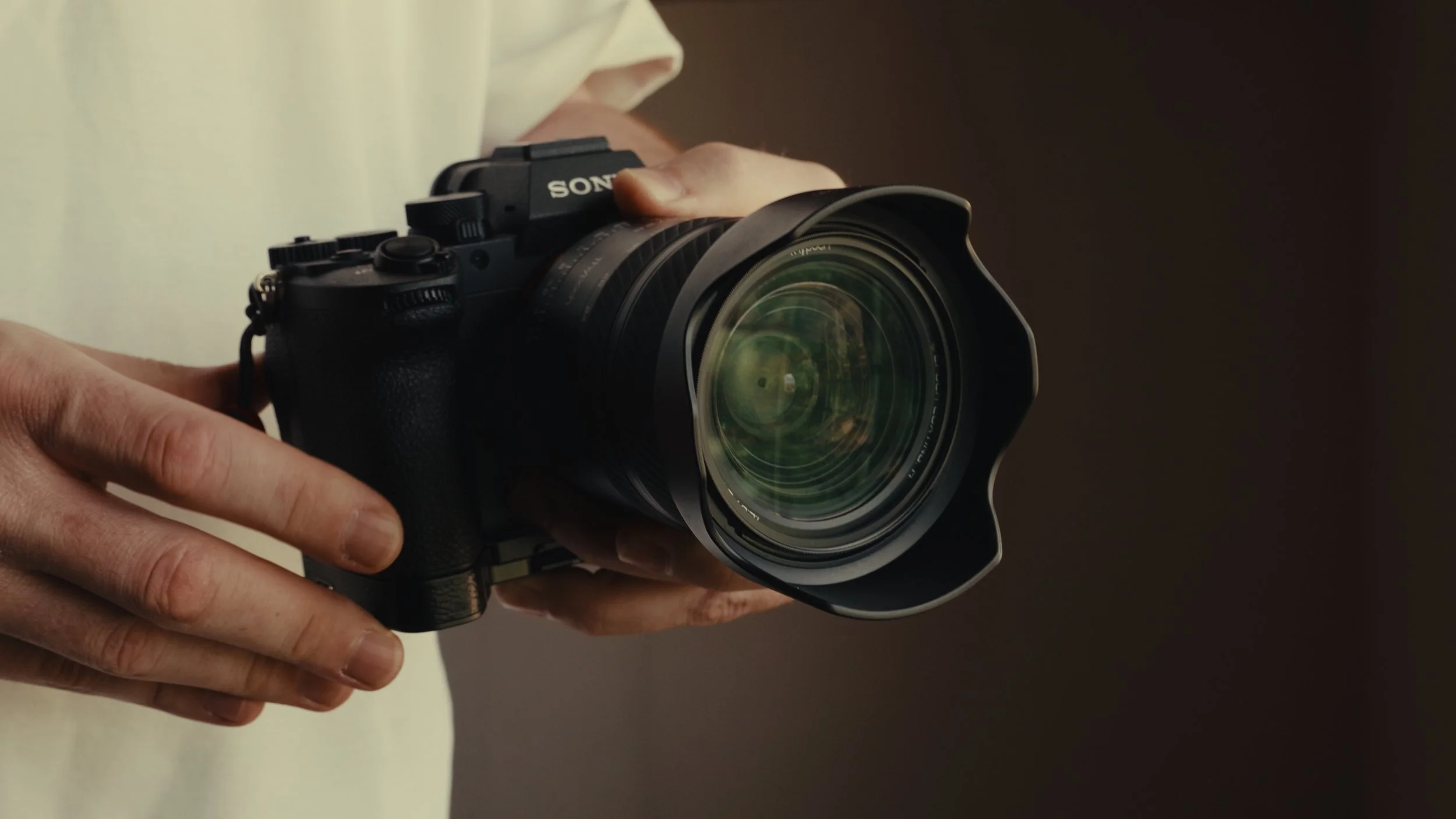
It is weather sealed and comes with a lens hood which is useful, and the lens has a very modern design with rubber zoom and focus rings along with a really nice golden Thypoch symbol on the edge here, which is a little like the Sigma Contemporary branding, but I think it feels at home and professional on a zoom lens like this.
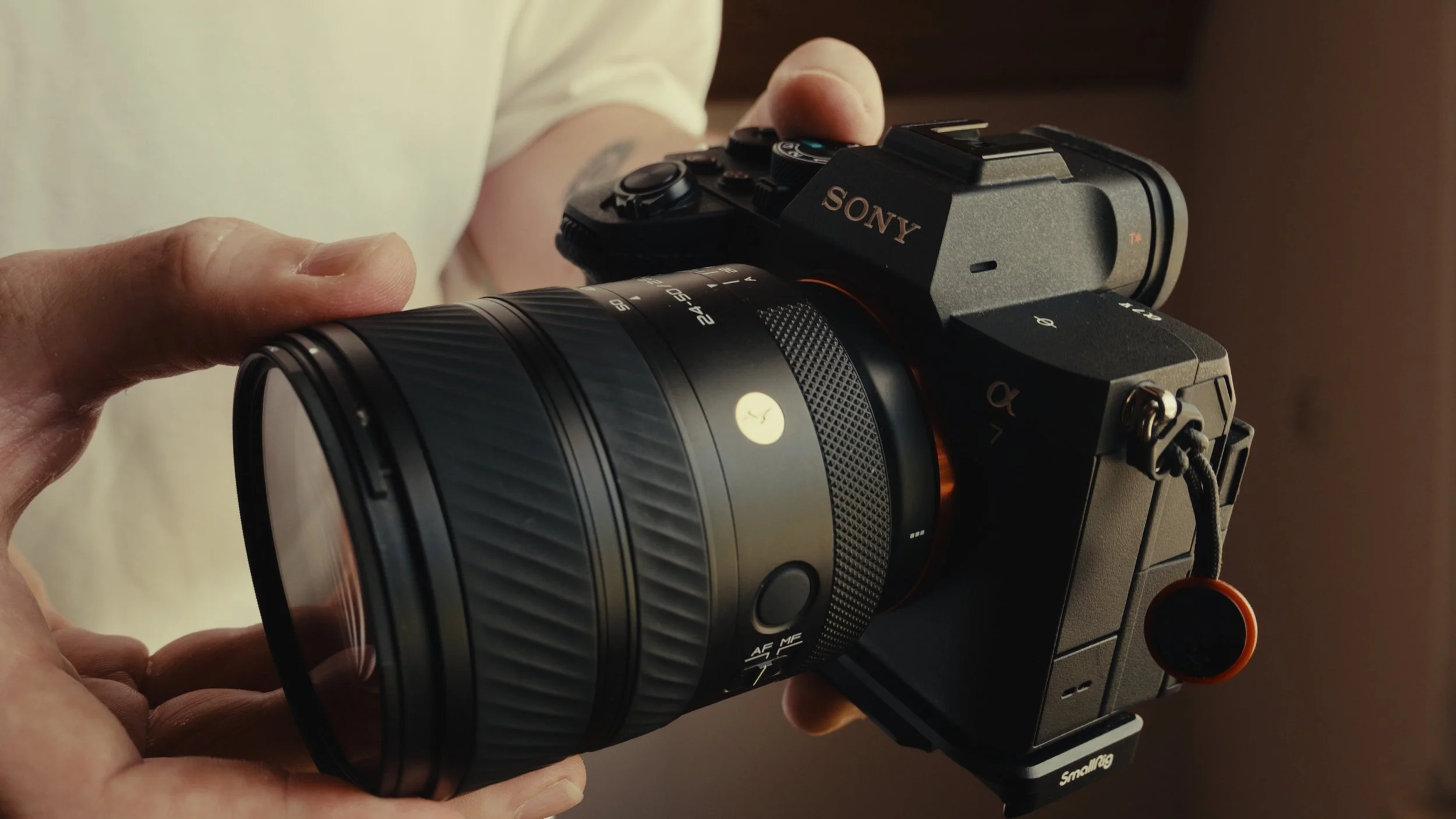
There are a couple of design elements that I think make this lens stand out, even in direct comparison to the first-party Sony version:
Internal Zoom Mechanism: The lens barrel doesn't extend when you're adjusting your focal length, meaning the lens feels much more like a prime lens on your camera and you don't have to worry about an extended lens dangling when you're carrying the camera on a shoulder strap.
Prime-Style Focal Length Markings: The focal lengths listed on this lens are actually much more useful for me as a photographer who wants to carry around a set of primes. Whereas the Sony copy skips 40 millimeters, the Thypoch actually includes it. This means you can just go to preset focal lengths if you're into shooting that way: you have 24 millimeter, 28 millimeter, 35 millimeter, 40 millimeter, and 50 millimeter on offer. You can kind of switch between these like you're switching between five prime lenses, but in one non-extending zoom lens, which I think is actually a really nice situation to shoot with.
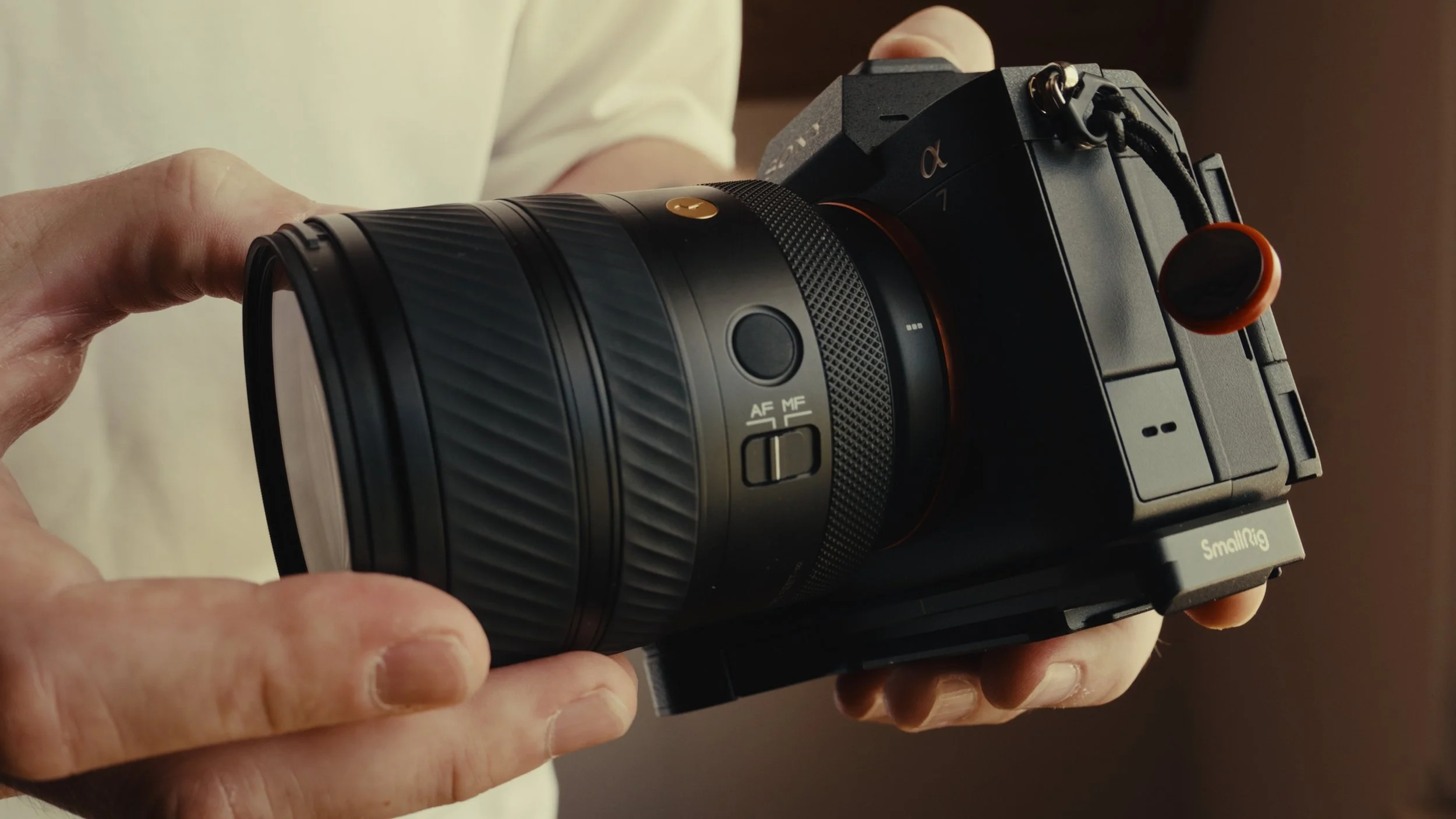
We also have things like an aperture ring, which feels pretty typical of any third-party lens these days, along with a manual focus / autofocus selector switch and a customizable function button which you can assign to any function in your camera's menu.
Photography Performance, Bokeh & Autofocus

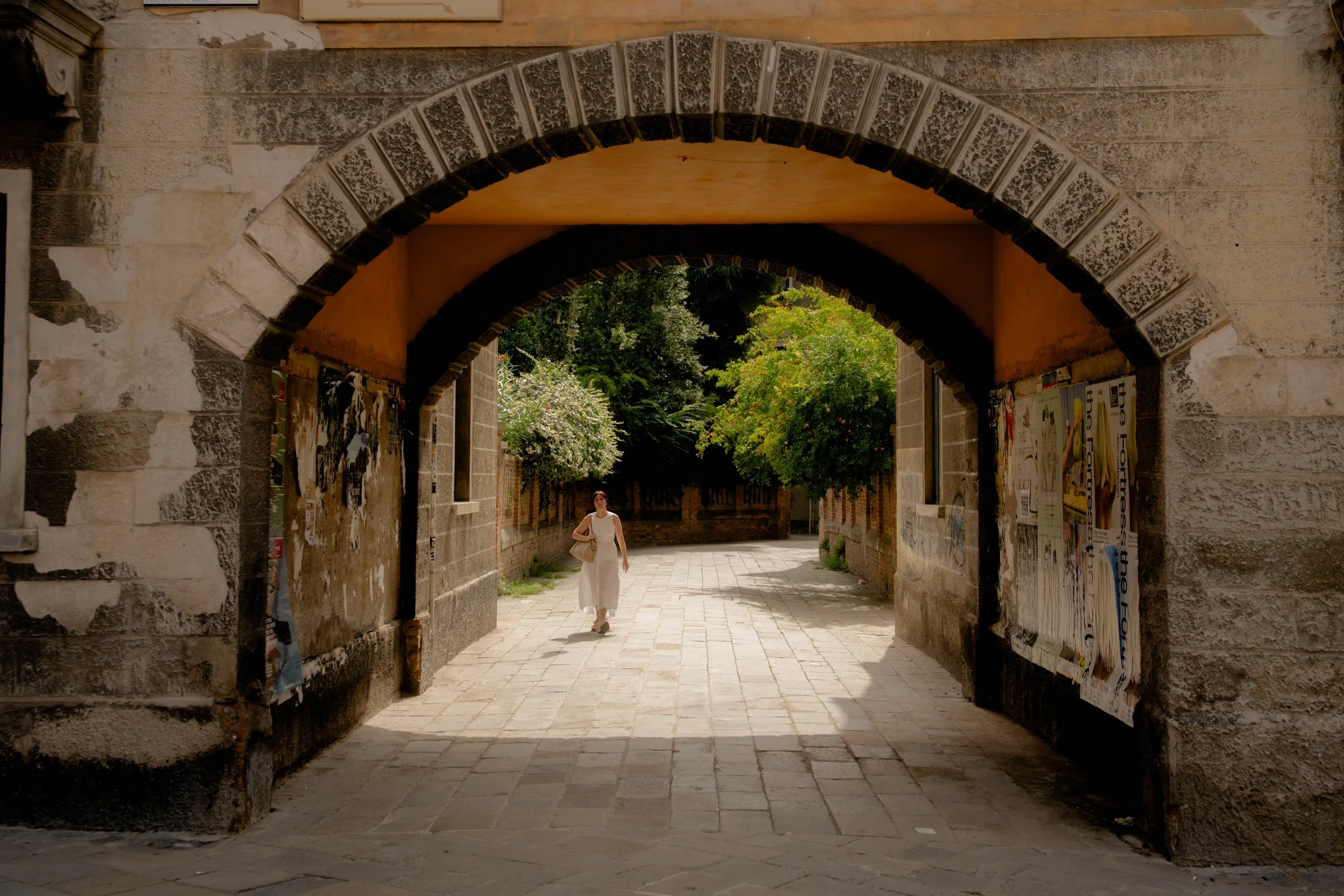

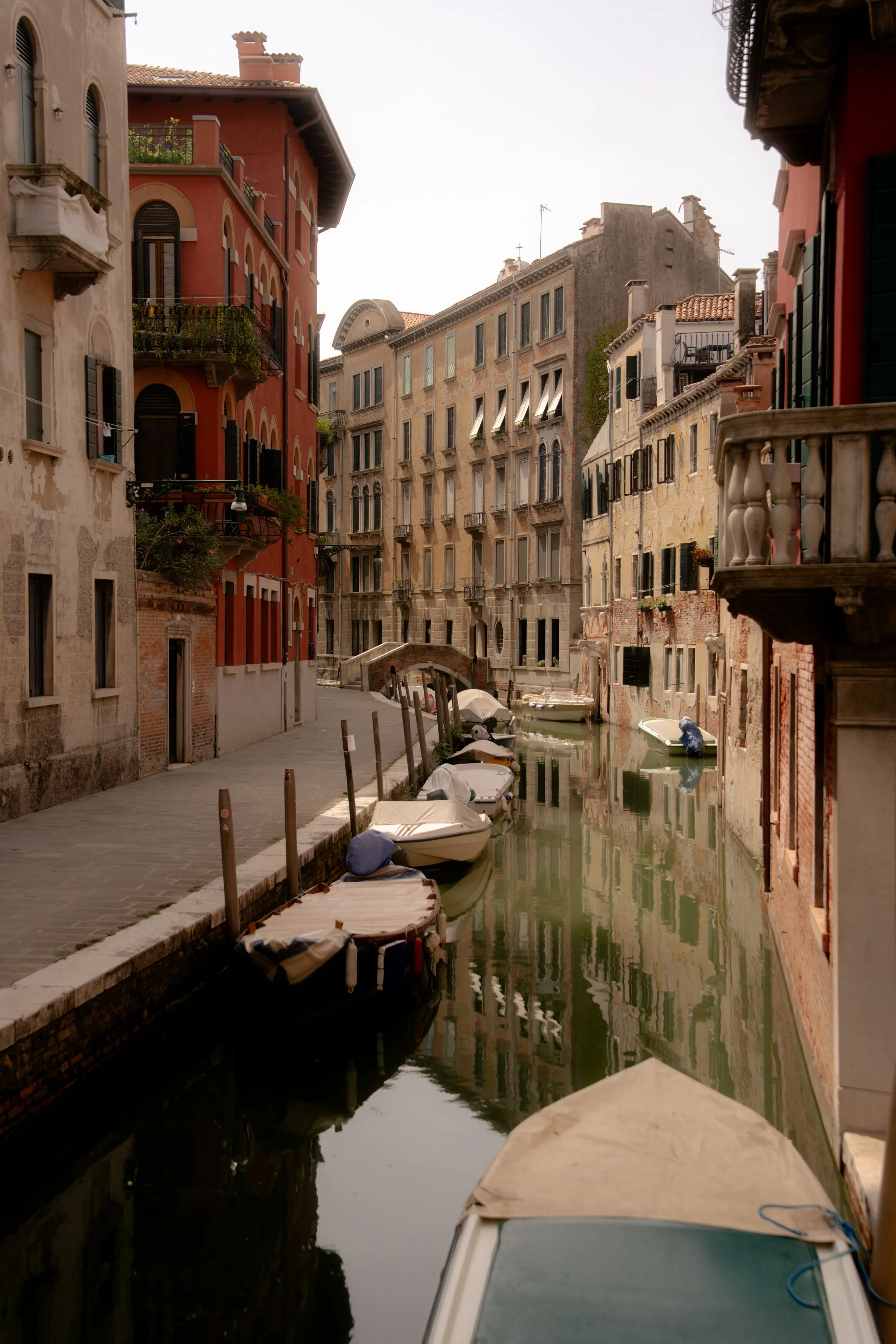
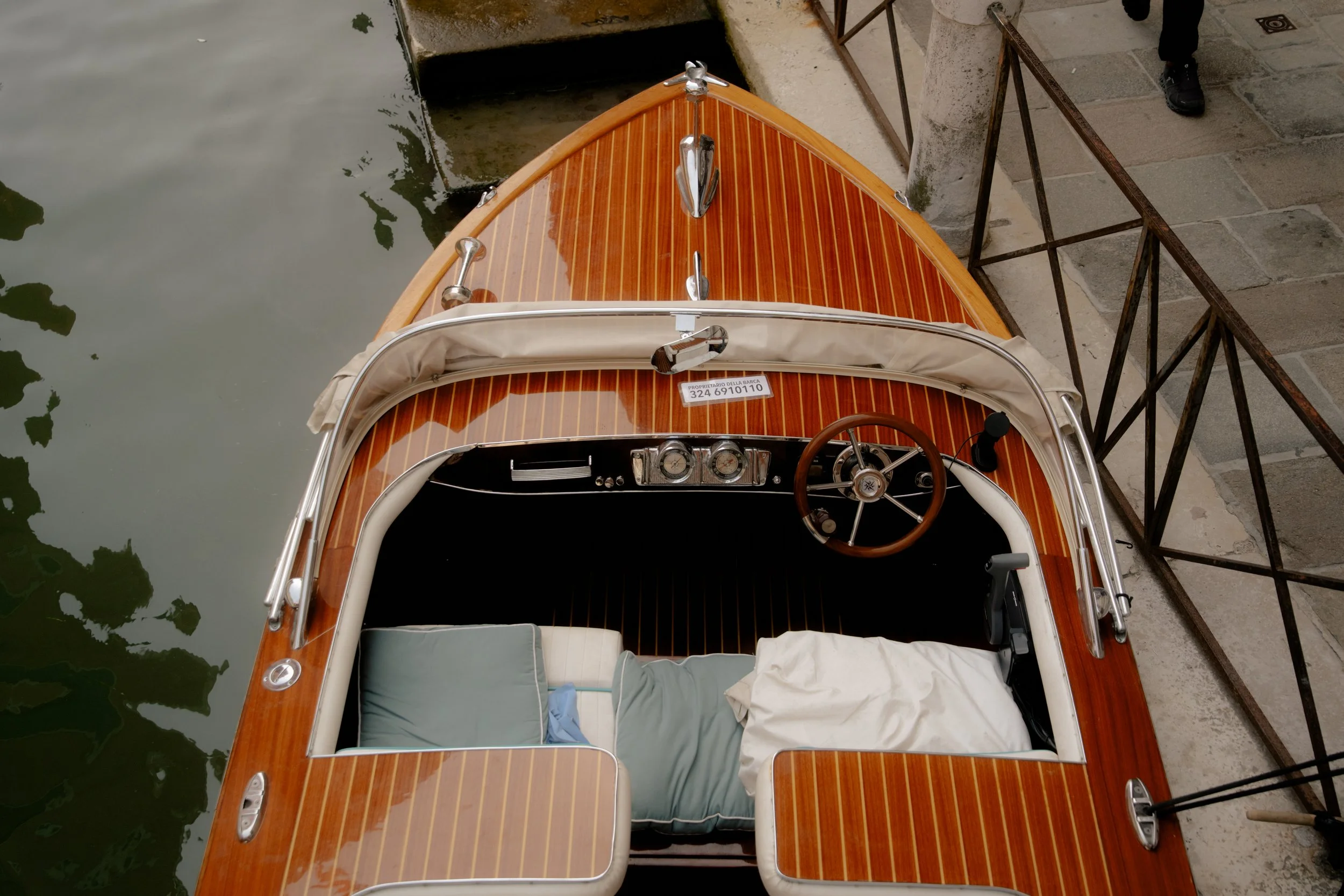

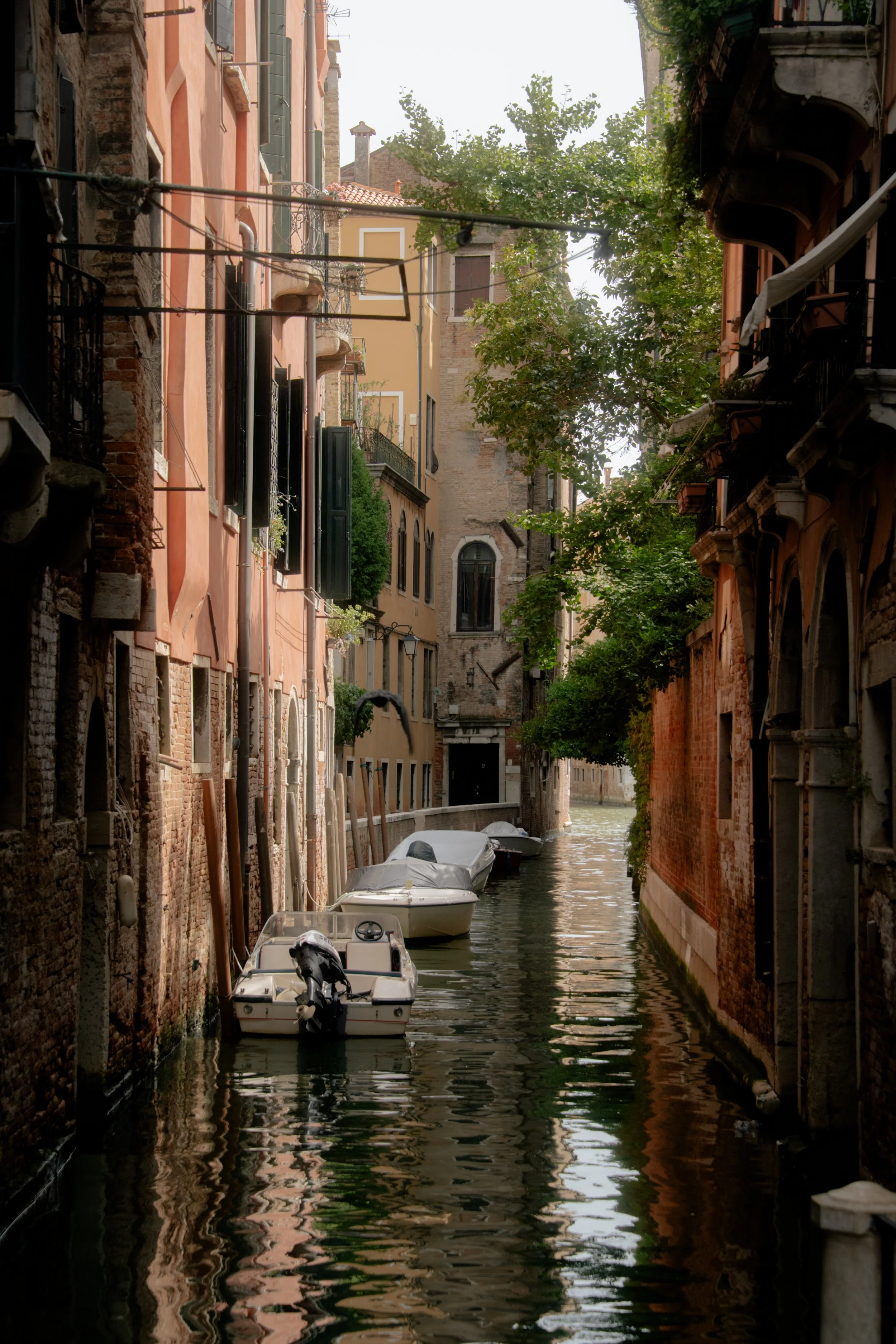


Photography wise, the images are much like the video examples. I do think when it comes to shooting at f/2.8 and having a close-up subject and then a lot of separation to the background, you get some really nice background separation. I think the bokeh has a slightly different character to it than I first expected. It looks a little bit vintage-y, especially like in the shots that Lisa got when we were shooting video of me against like some bushes. I think the way that details kind of fell away in the background felt a little bit dreamy, which I think actually is quite nice.
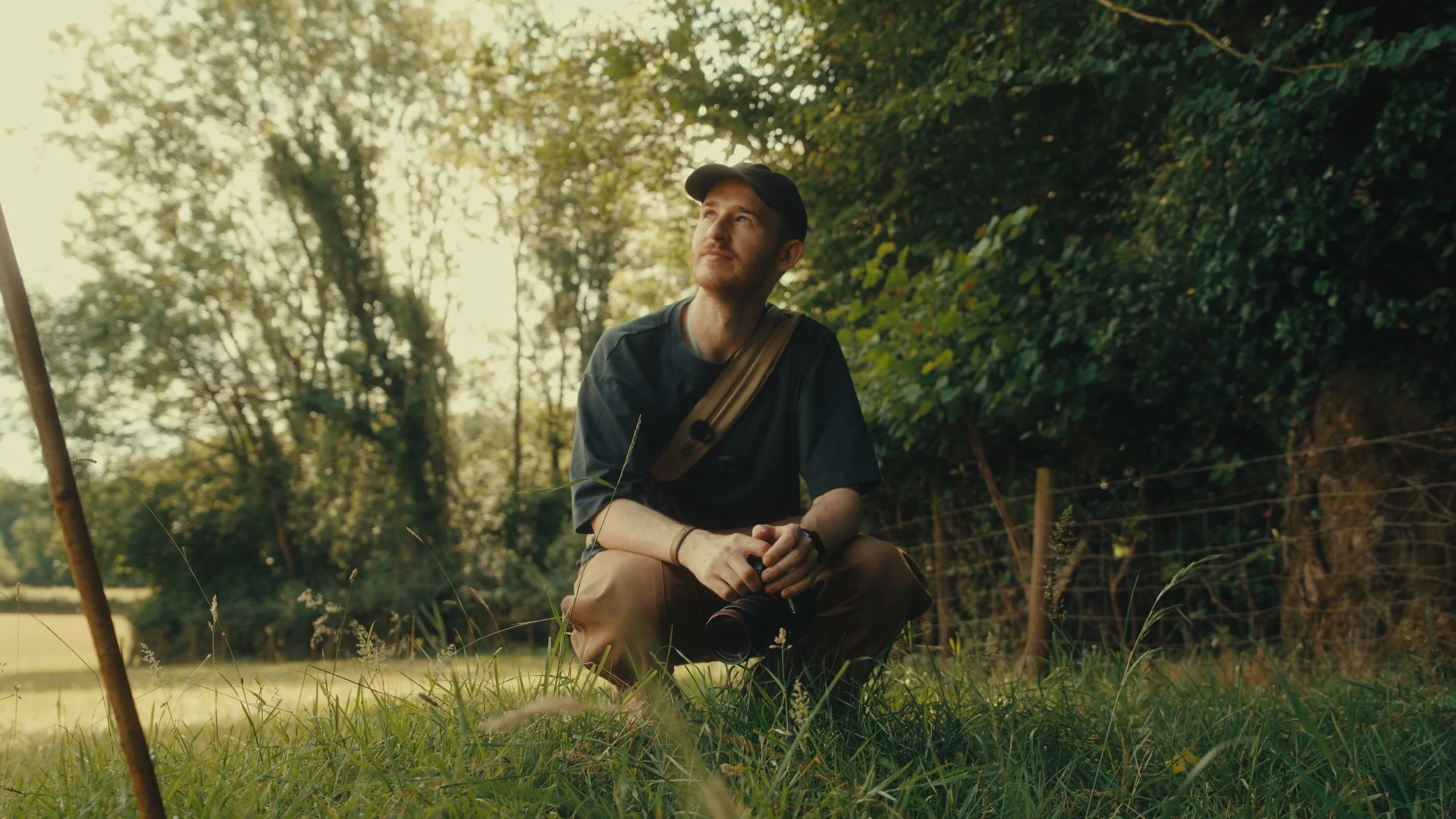
It's not all sunshine and rainbows with this lens, which we'll get onto a little bit later, but I do think overall it has a kind of vintage image aesthetic similar to maybe like Thypoch's other lenses, like the 35 millimeter f1.4 Simera lens that I tested out in Istanbul for some cat photography, which I think also performs really, really well (though a completely different lens, being fully manual focus).
Autofocus in photography mode is equally as good as in video. I think both modes are very responsive, but I have noticed that it can be a little bit slow in photography mode when shooting in autofocus single. You just notice there's a tiny bit slower response time than a native Sony lens. But when it comes to video, like this shot right now, it's tracking me absolutely fine and I haven't really thought about it this whole time.
The Big Trade-Off: Lens Flare
The question is, would I swap this Thypoch 24-50 f/2.8 with my Sony 20-70 f/4 that I have been using for the last year and was going to use for the next year?

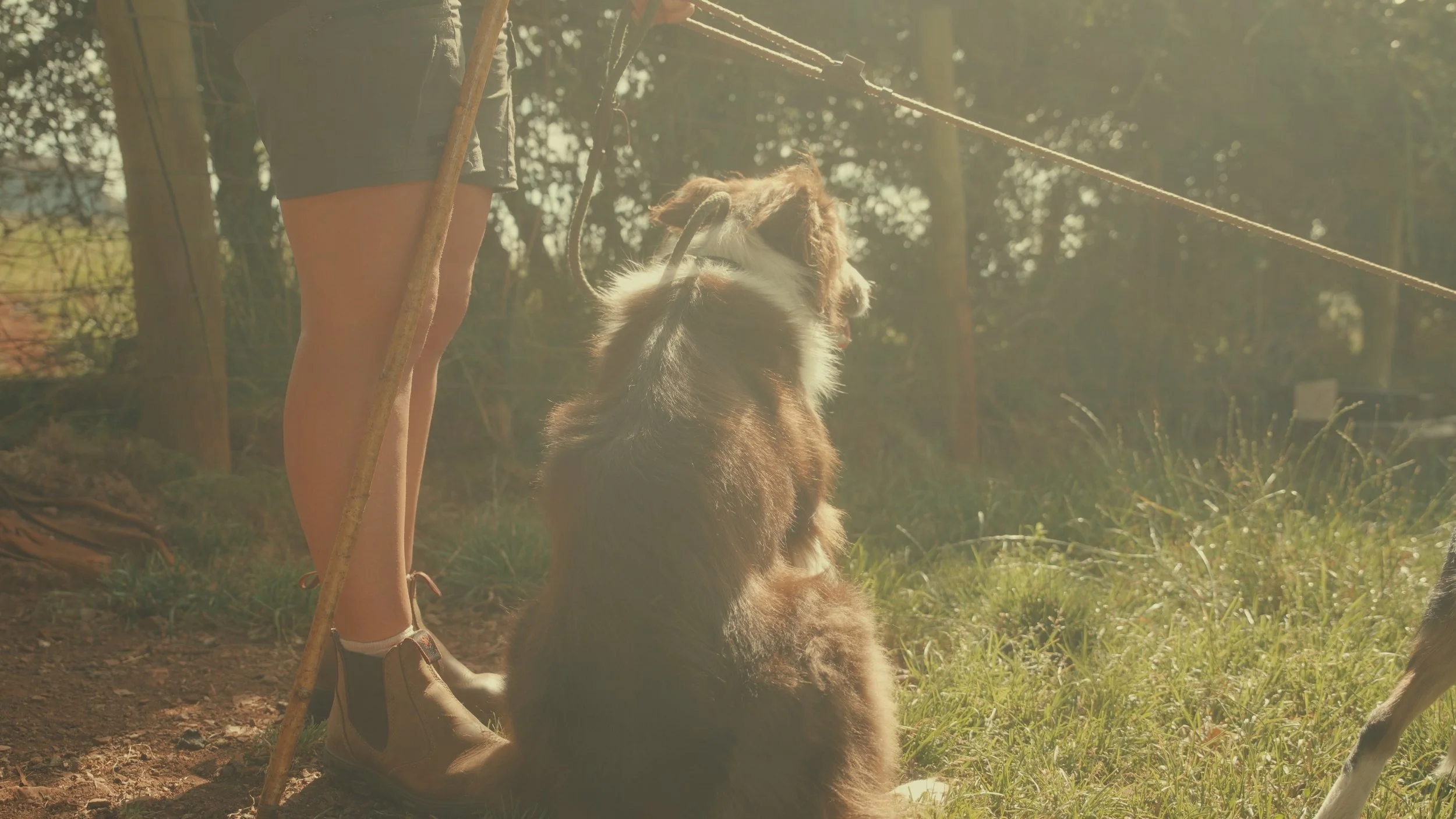
The one place I think it does fall short is flaring. There is a little bit of flaring, though honestly I don't have that many examples, just these couple of images from the other day where if you're shooting pretty much at the sun, which is fair enough. Should you be shooting directly at the sun? No, but sometimes you want to get some nice harsh side light, and if the sun is peeking into your frame, you can get a lot of flaring over the lens. This can be kind of exacerbated by using a mist filter, and even with the lens hood you do get this bit of flaring.
Honestly, that is the one thing about this lens that makes me choose the Sony over it. Yeah, zoom range is one thing, but like I said earlier in this video, crop modes can kind of get around that, especially in video. But flaring, even at this price point, for me personally is too much of a trade-off when it's kind of replacing a pro lens.
Final Verdict & Future Outlook
If you are in the market for a new standard zoom lens and you're considering something like the Sony 24-50 f/2.8, seriously give this Thypoch a look. Honestly, especially for photography, I absolutely love this lens in terms of having a zoom lens with a fast aperture that doesn't extend while I'm walking, and it feels like I'm carrying a prime lens only with flexible focal lengths.
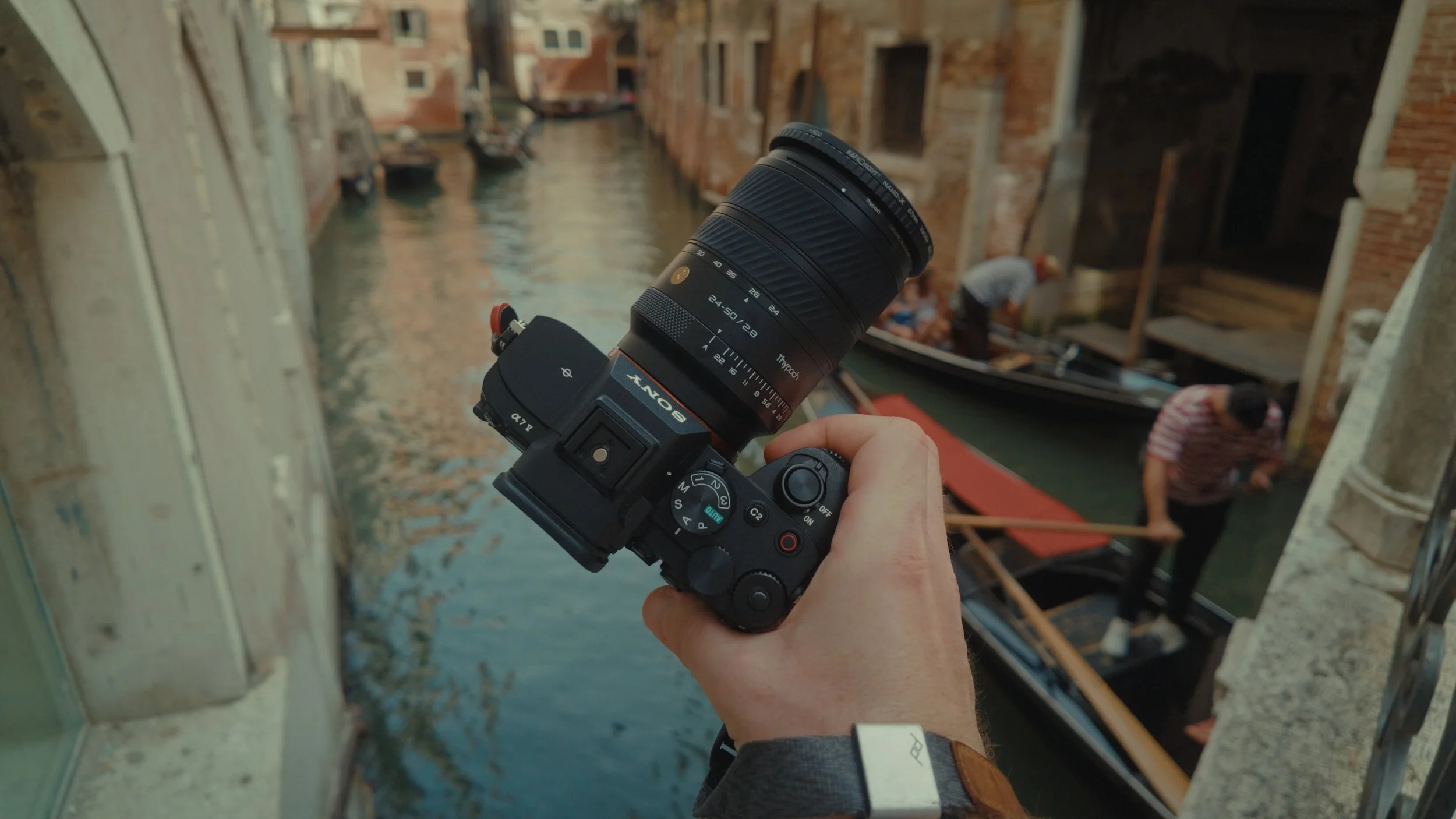
Honestly, this lens is so promising for what we're going to see in the future. For a long time we've had kind of the few premium third-party lens manufacturers that do make competitive, fast aperture, kind of pro zoom lenses, and now we have another brand making these sort of lenses. I think it's only a matter of time before we see other kind of newer Chinese third-party lens manufacturers making zoom lenses like this, and more competition is usually a good thing for all of us, which is fantastic.
Help support this ad-free blog by checking out my store.
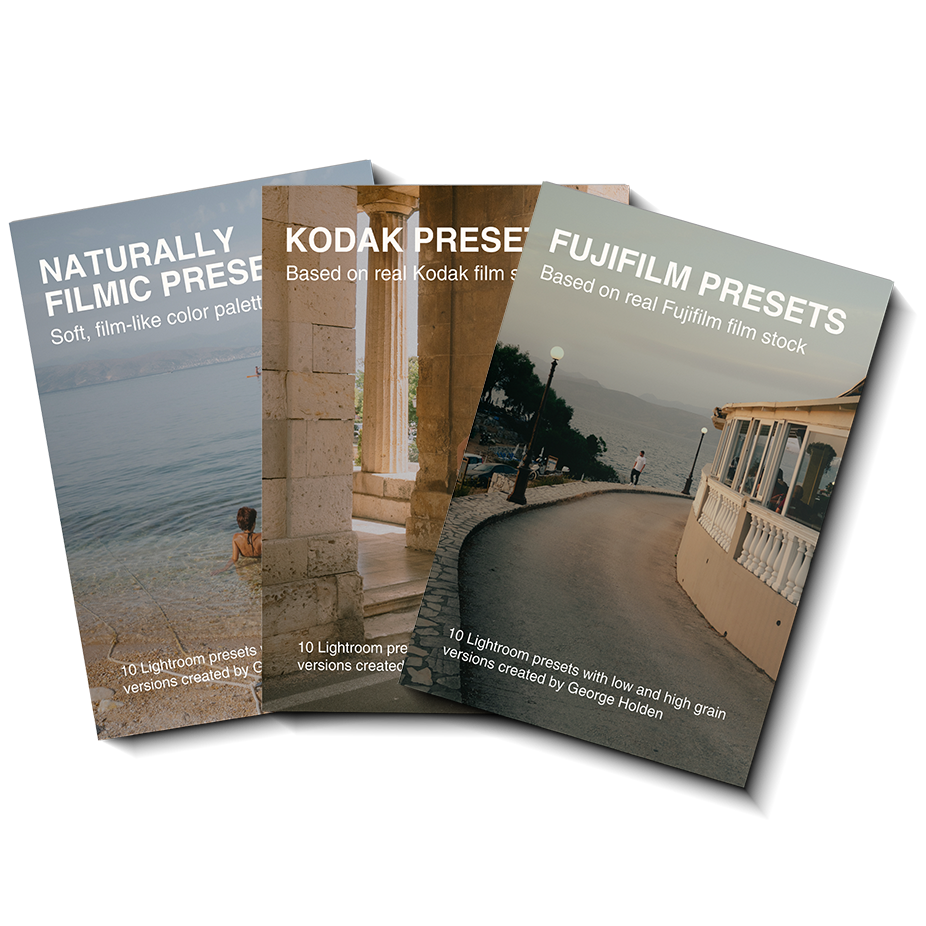
What style can I expect from these presets?
These presets are based on specific Kodak Film Stocks, Fujifilm Film Stocks and various film stocks I have shot in various lighting conditions which you can see in the preview images for each pack.
How many presets are in this pack?
30 - with low and high grain versions for each preset.
Each preset has both .xmp and .dng file types.
Which software supports these presets?
You can choose from these Adobe softwares:
Lightroom Classic
Lightroom CC Desktop
Lightroom CC Mobile
Photoshop (adobe camera raw)