Fujifilm X100VI Review
In terms of the camera lens and the famous Fuji colours not much has actually changed in the X100 series since the X100S that I used back in 2021 but in this latest iteration the most interesting thing to me is the fact that Fujifilm have managed to solve one of my biggest pain points: always having to carry two cameras.
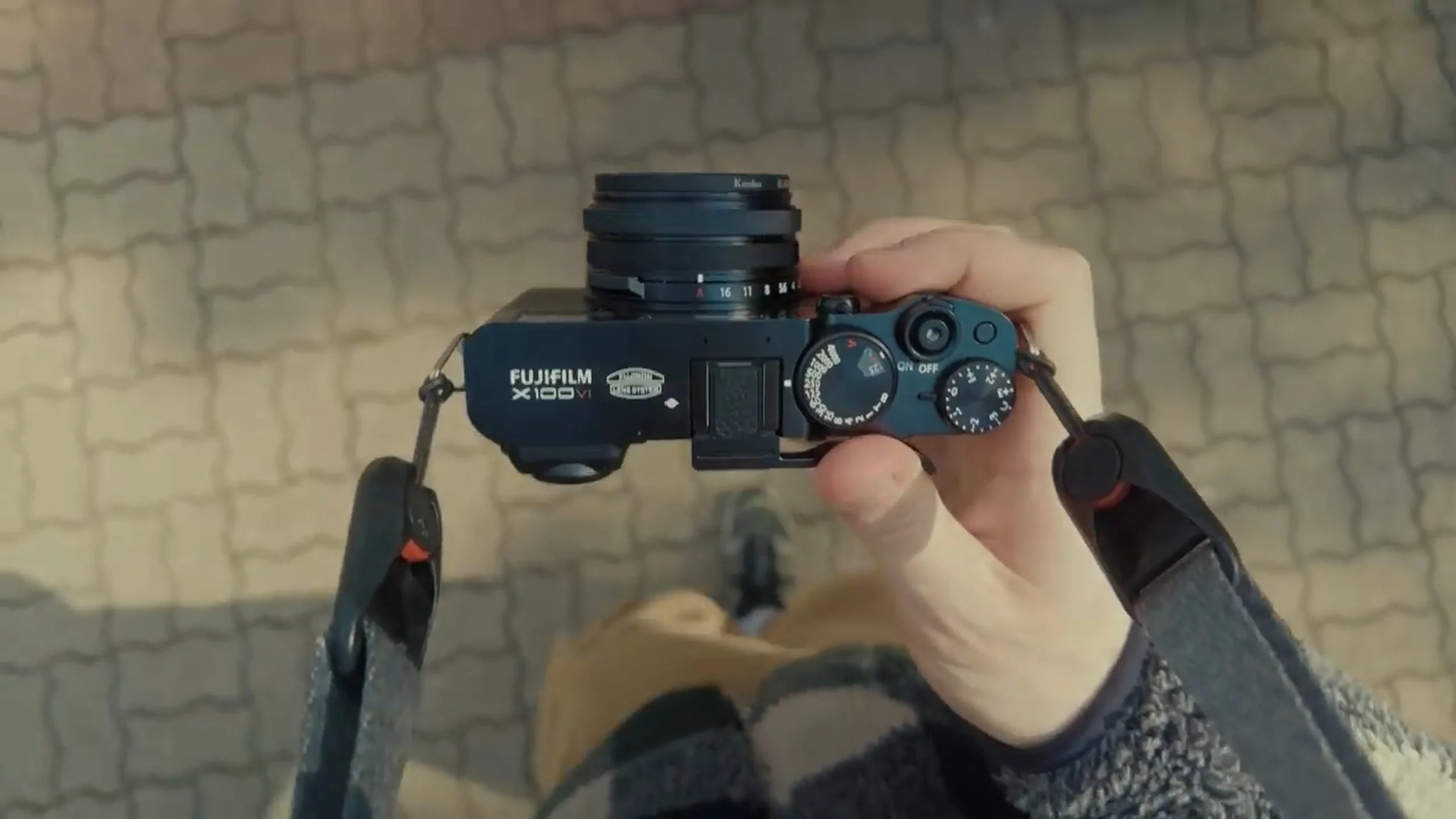
I'm a video shooter as well as a street photographer and at times I actually have to carry two cameras. Like when I shot this day of photography in Tokyo with the Canon M6 I was actually dual wielding my A7C II and big zoom lens for some higher quality POV footage or if I'm just shooting with one camera like my A7C II I can often miss moments if I'm too busy attaching or removing my ND filter switching between photo and video. Of all camera brands Fujifilm were my least likely to solve this problem but weirdly enough they have.
Key Features & Custom Settings
Of course the Fujifilm X100VI has some special street suited features such as the leaf shutter much like my old Sony RX1 which makes for very nice quiet street suiting with a fixed 35mm equivalent lens. But there are some settings that have helped me get the most out of this camera considering the fact that it's both suited for photography and for videography. There are some settings to make this whole switching between these modes a lot easier.
Photo Settings & Street Zone Focusing
Photography wise my settings have always been pretty simple, not too different to how I shoot on a film camera. I'm usually shooting a shutter speed of 1 over 250 to 1 over 500th of a second, then if there's plenty of light I'm preferably at f/8 or f/11, then leaving my ISO on auto.
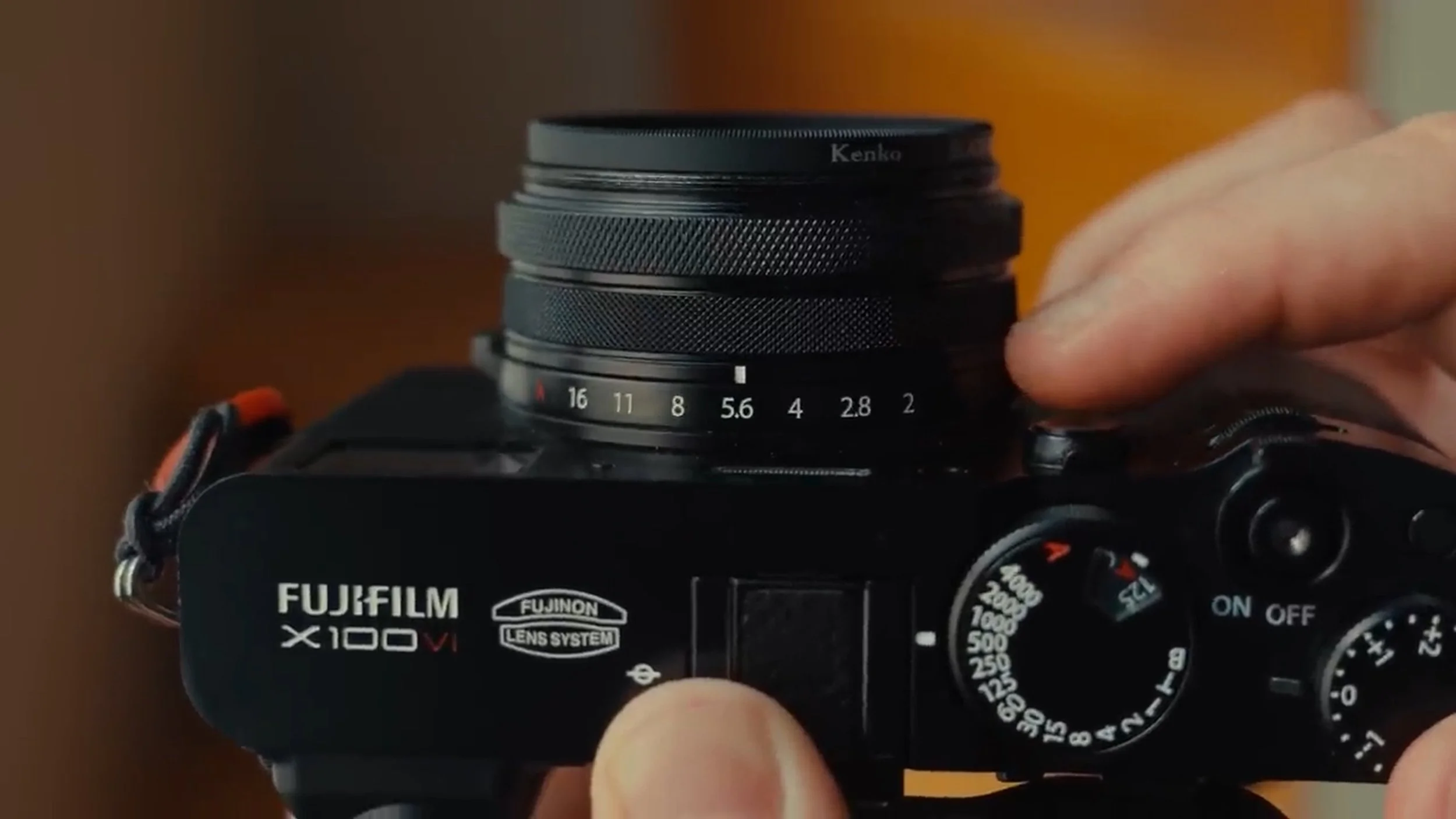
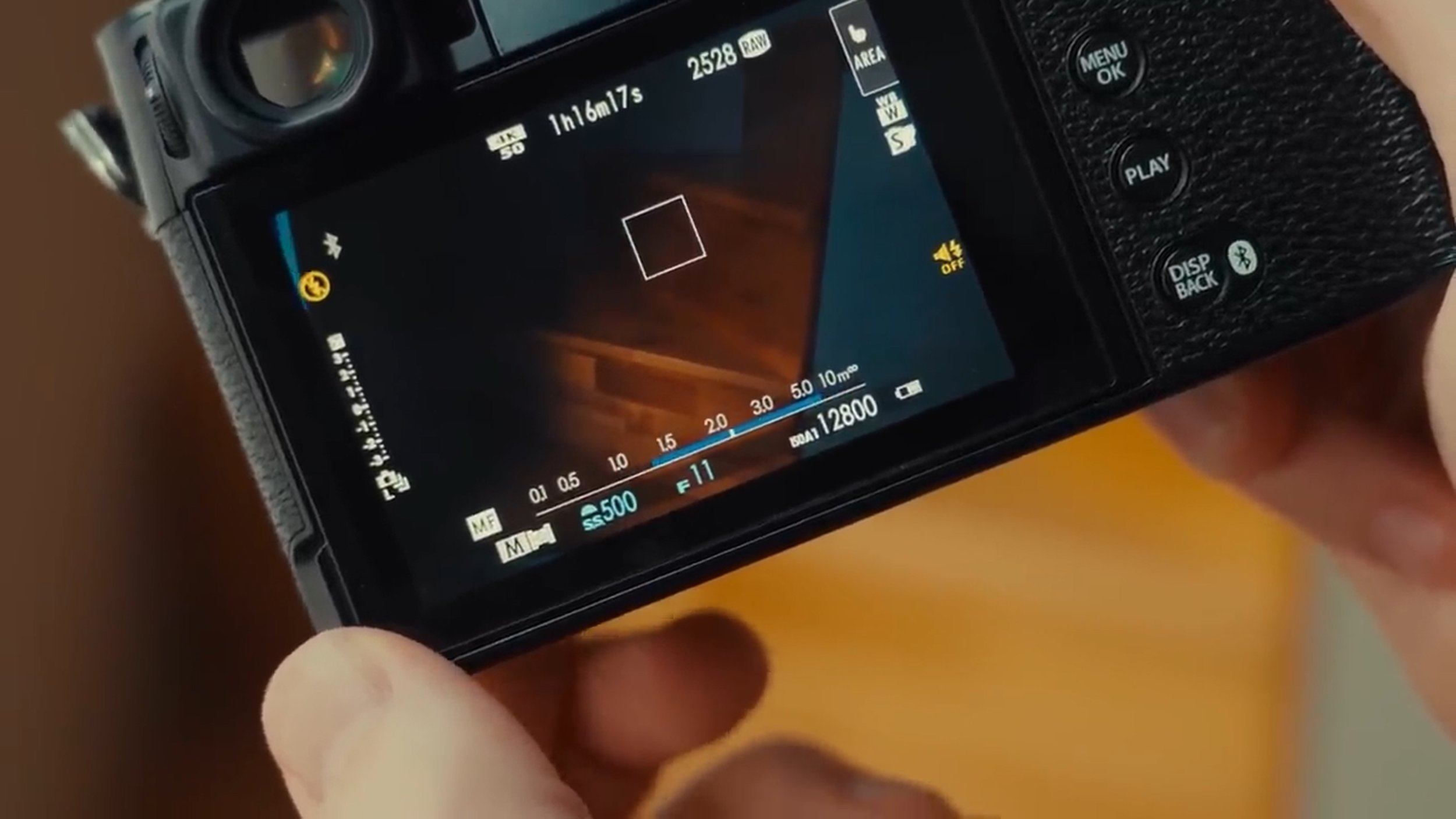
I'm also switching between auto focus continuous when I'm taking a quick dog photo or like a face recognition moment or I'm shooting in manual focus for some kind of zone focusing with Fujifilm's very cool iteration of this. I think Fujifilm do have probably one of the best integrations of street photography zone focusing in any camera, and the same goes for cameras like the X-T2 which I think does this particularly well, which actually made a whole video on which you can watch up here and I'll link in the description below this video.
Video Mode & Built-In ND Filter
Then when it comes to video we have the added benefit of a full stop ND filter built into the camera just like the old Sony ZV-1 and I've actually assigned this ND filter to this custom button just on top of the camera next to the shutter button.
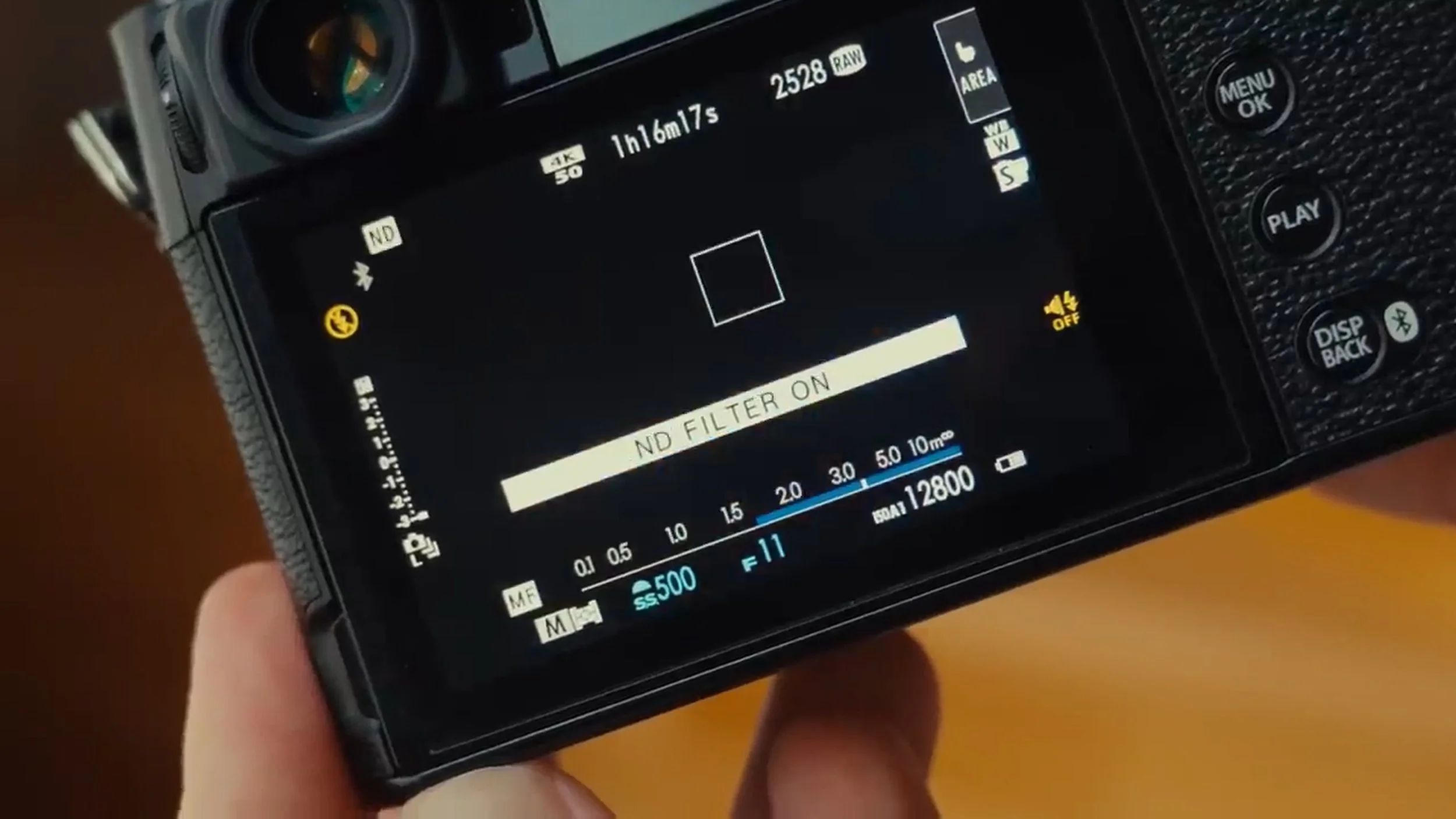
So to change from photo to video it's as simple as flicking up between the drive modes and going onto that custom button and tapping to switch on the ND filter. This only takes a couple of flicks of the joystick and then tapping that custom button and then you switch between photo and video mode really seamlessly even when in a fast moving street scene.
Shooting in Seoul: IBIS & Photo Quality
I've been shooting with this camera in Seoul for the last few weeks and I want to show you some of the images and the video that I've captured that I think looks particularly good from the Fujifilm X100VI. I'm especially surprised with the video and the in-body image stabilization which can be very effective as long as you are not trying to do any walking shots with this camera. It is a very small camera and the IBIS is impressive to be able to fit into here, but it's still not going to be as good as a larger hybrid video focused camera.
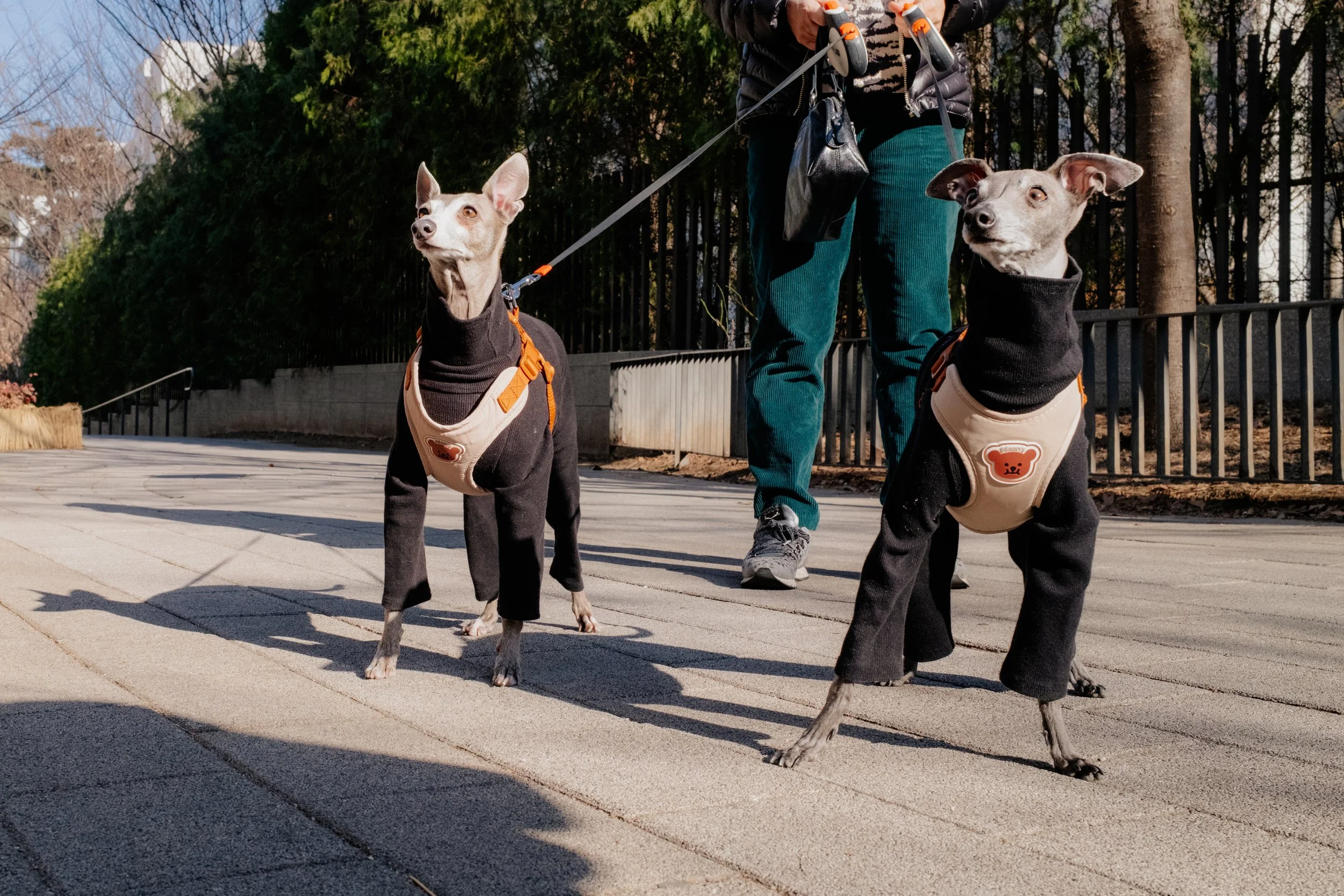
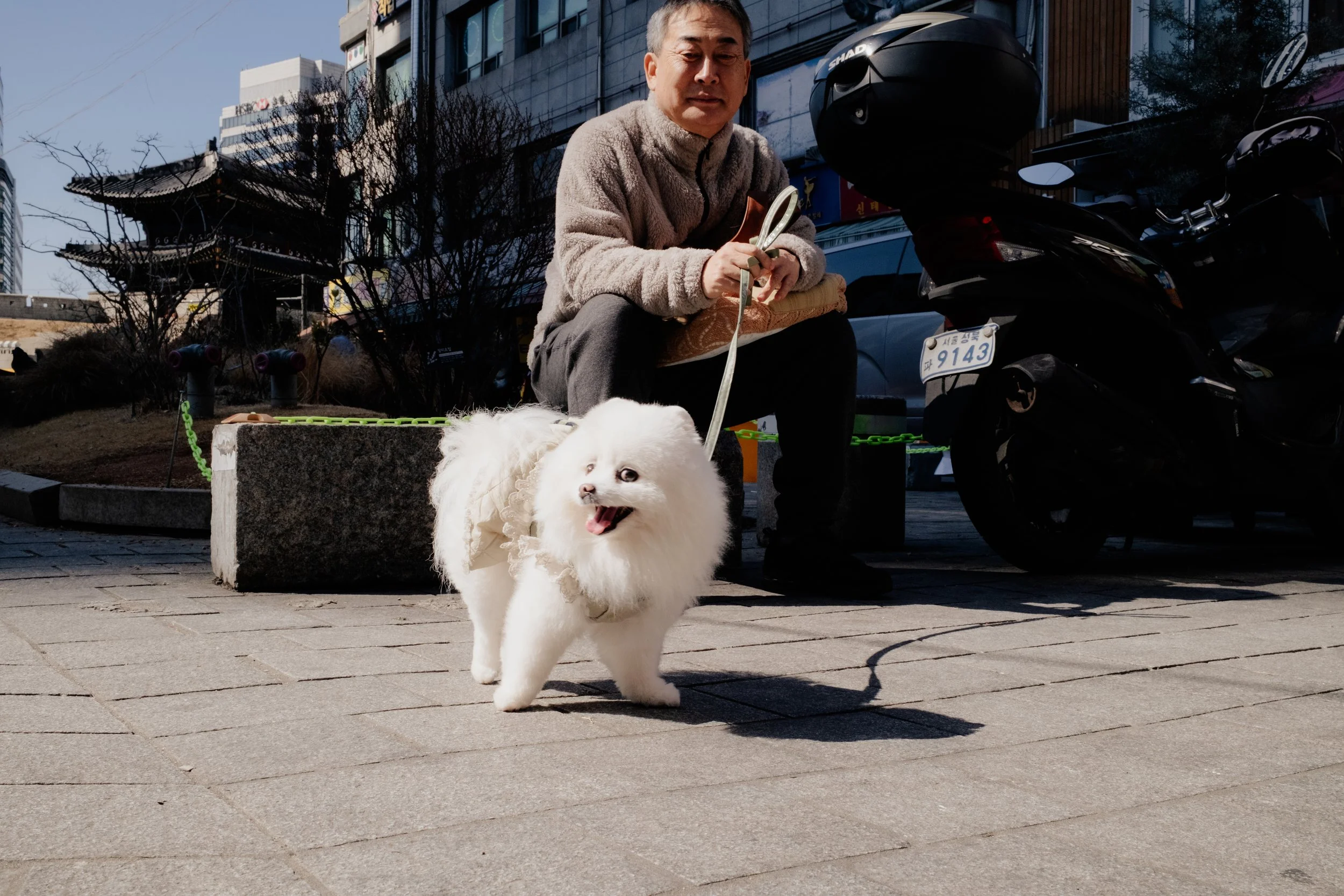
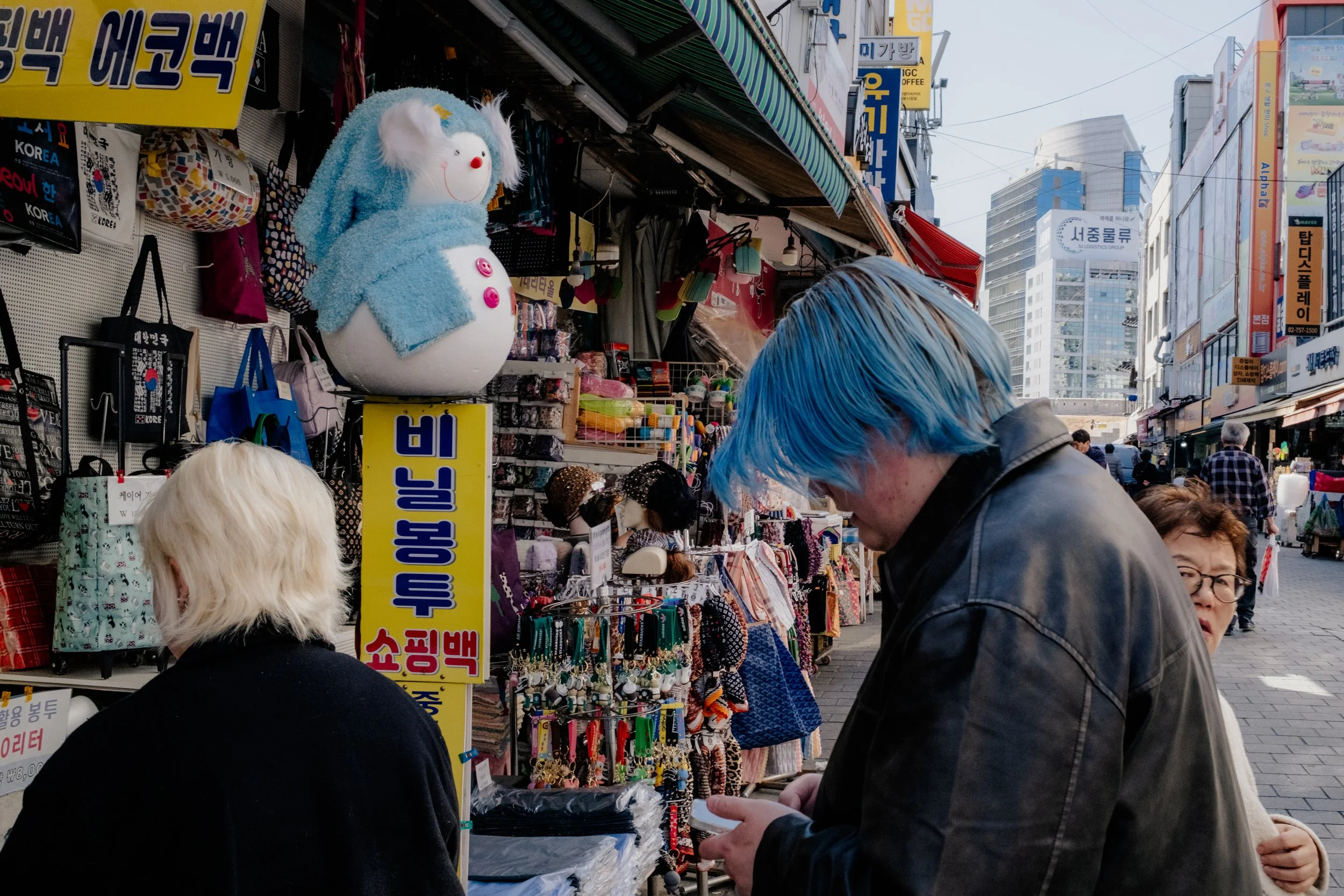
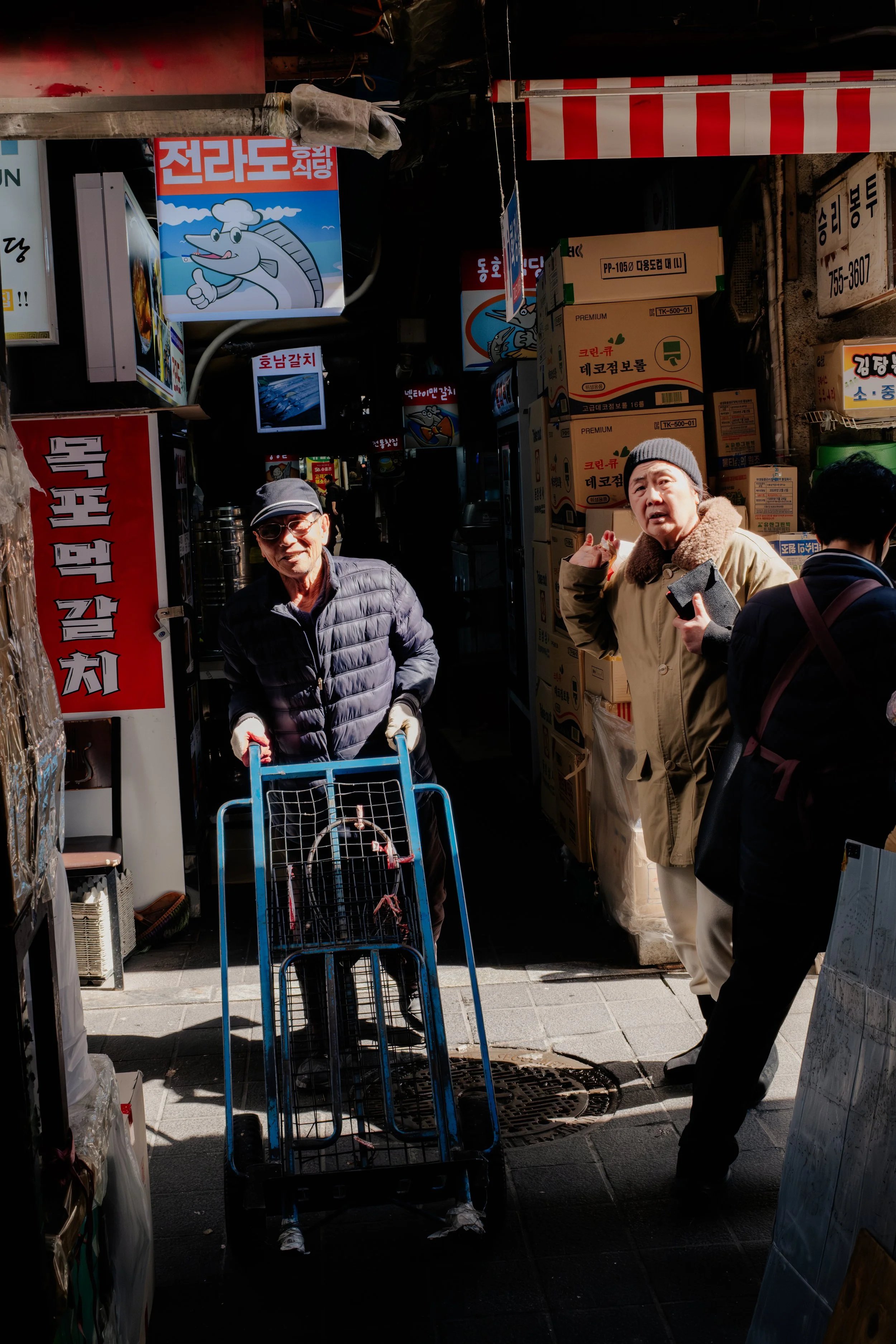
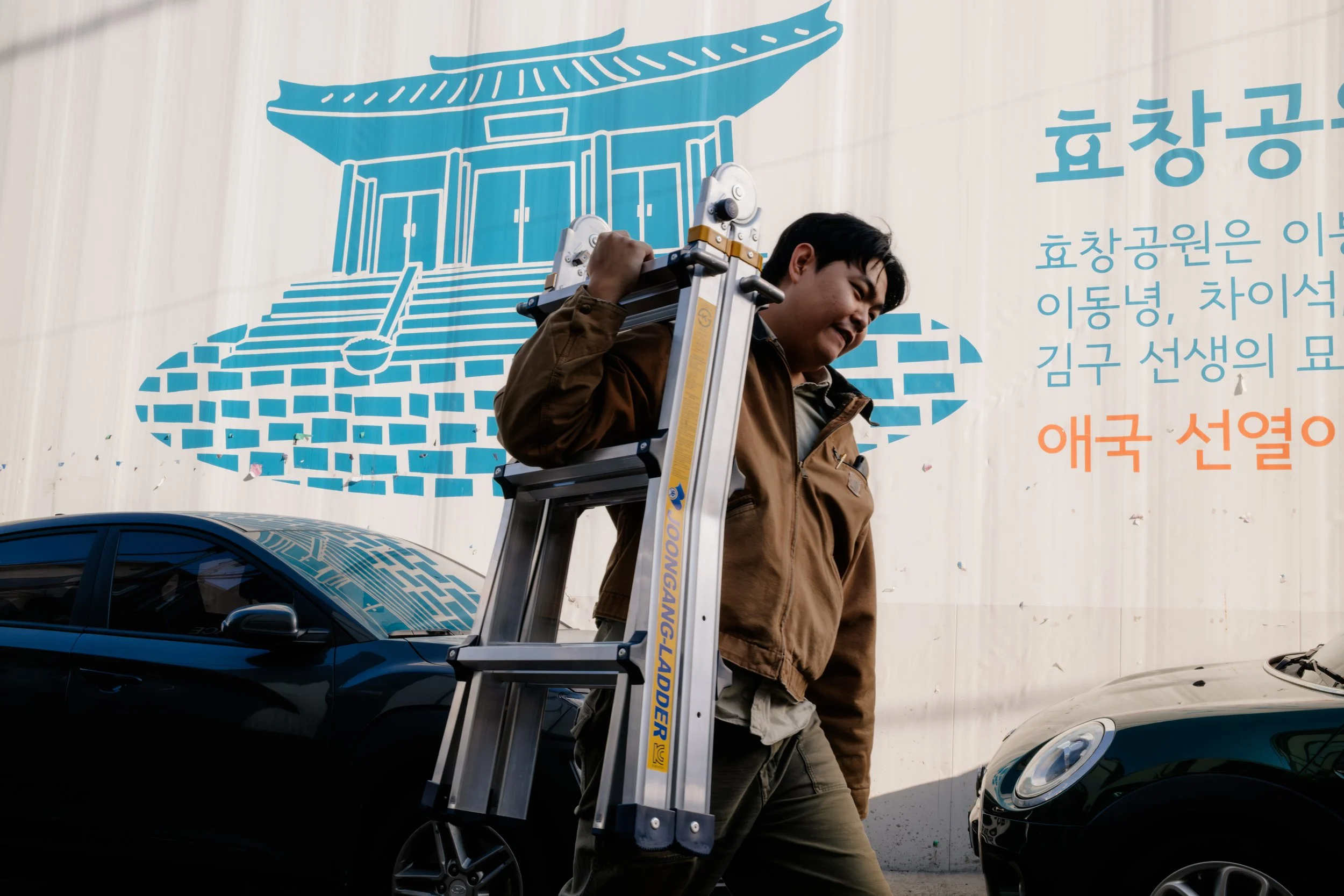

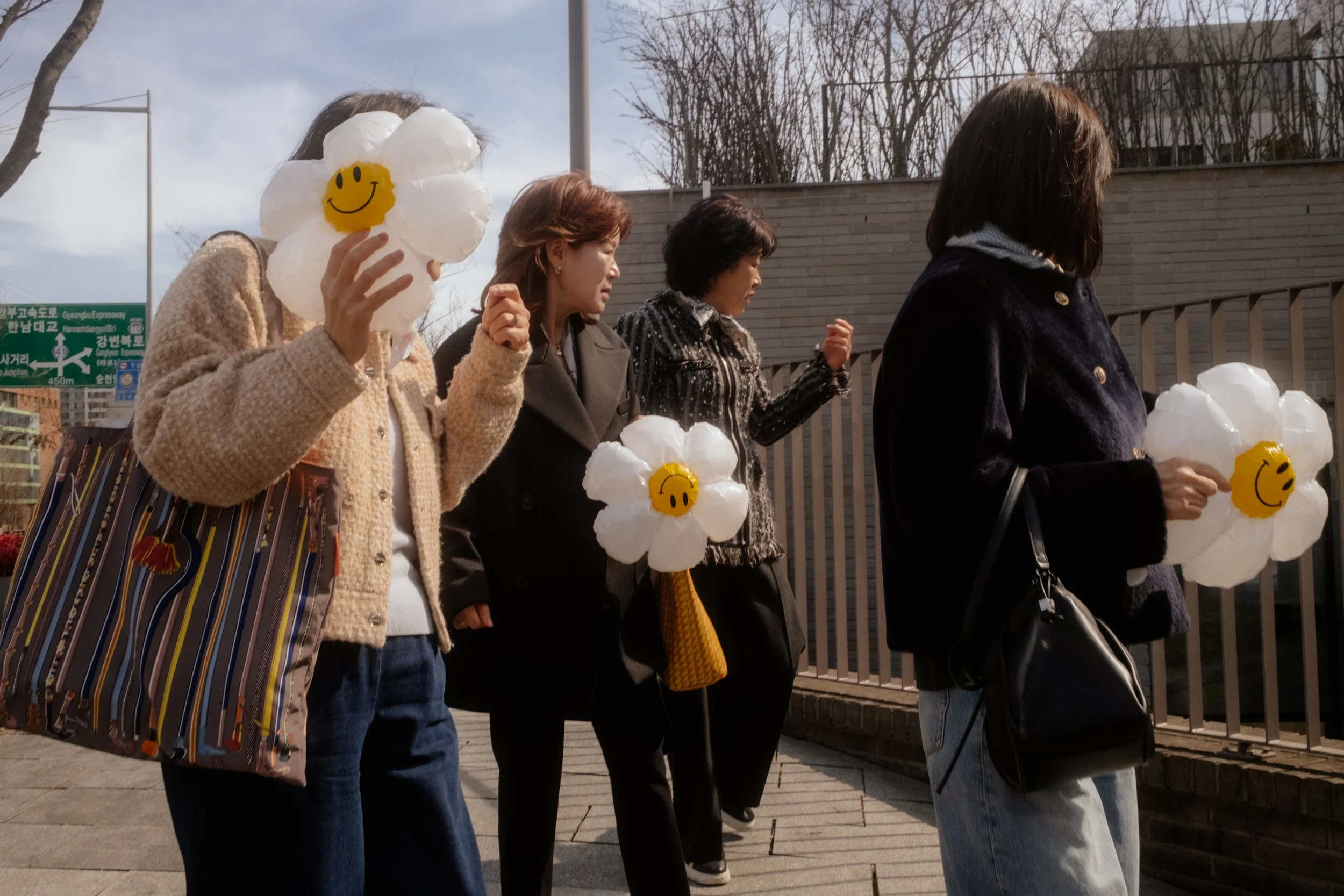
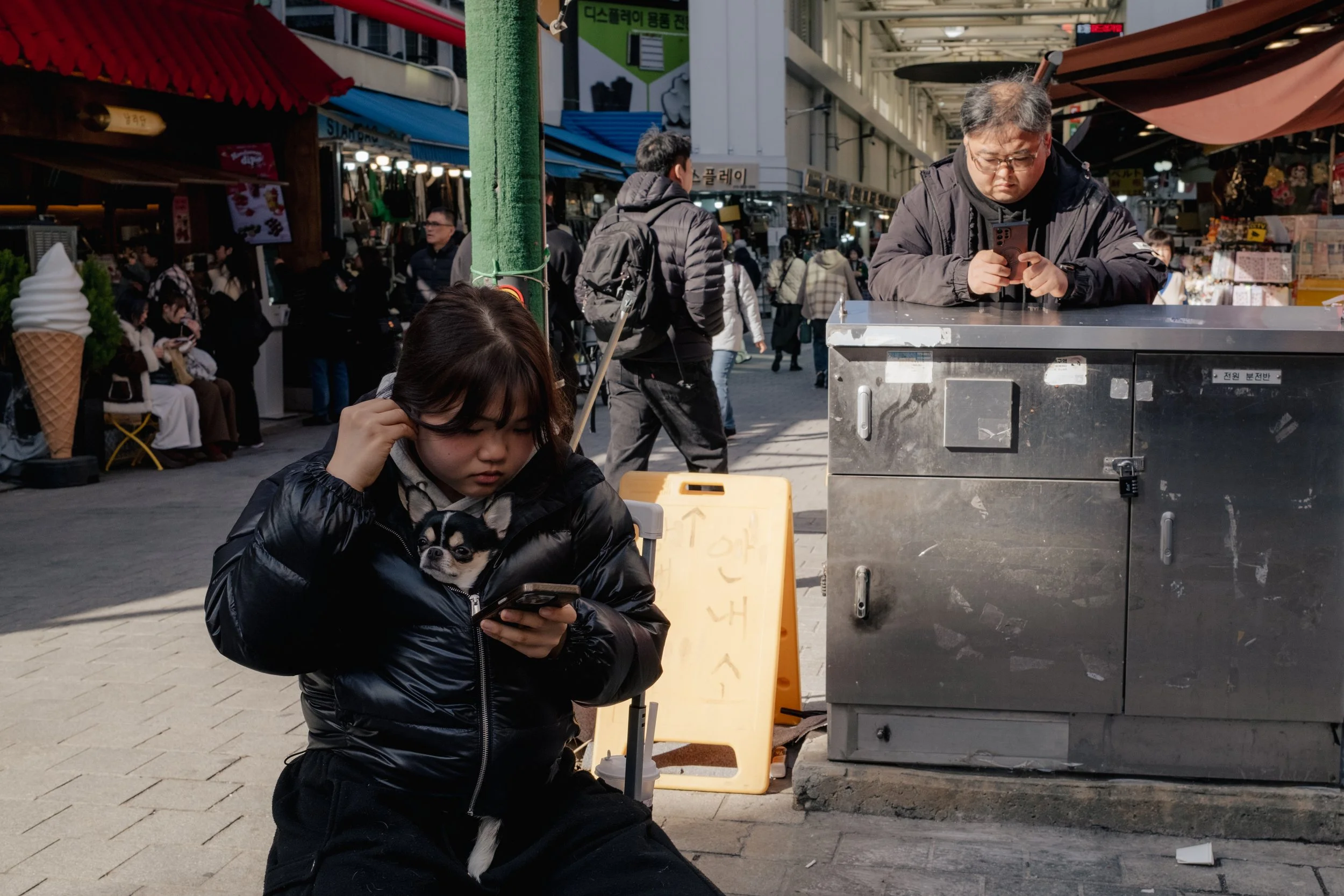
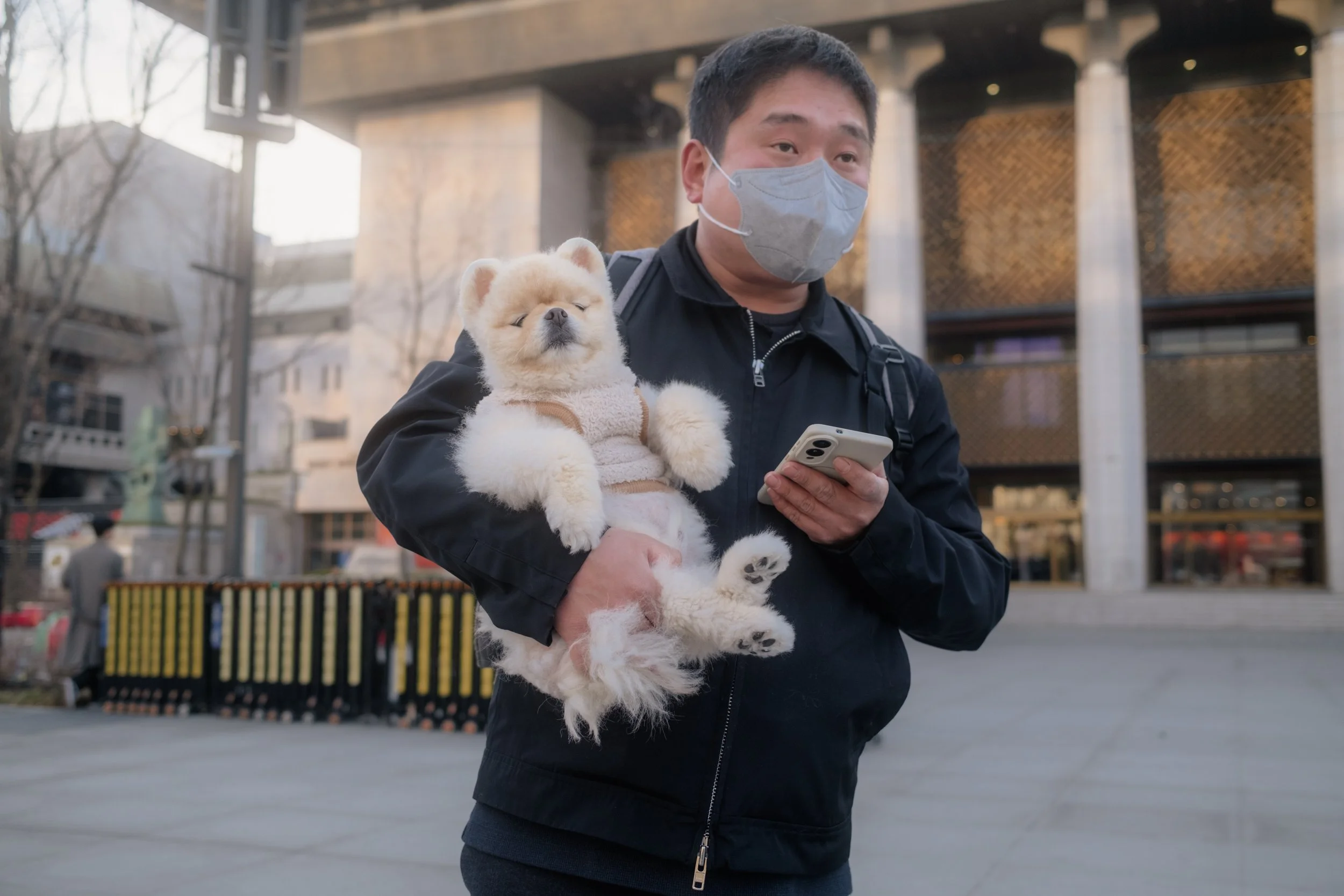
For me I typically like the locked off shots when I'm filming, whether it's from my own channel or when I'm filming Lisa for her channel. Typically we like these kind of more locked off tripod shots or with very small amounts of movement. We're not often running around with a camera because there's only so much you can get that's gonna be nice and smooth without a dedicated gimbal.
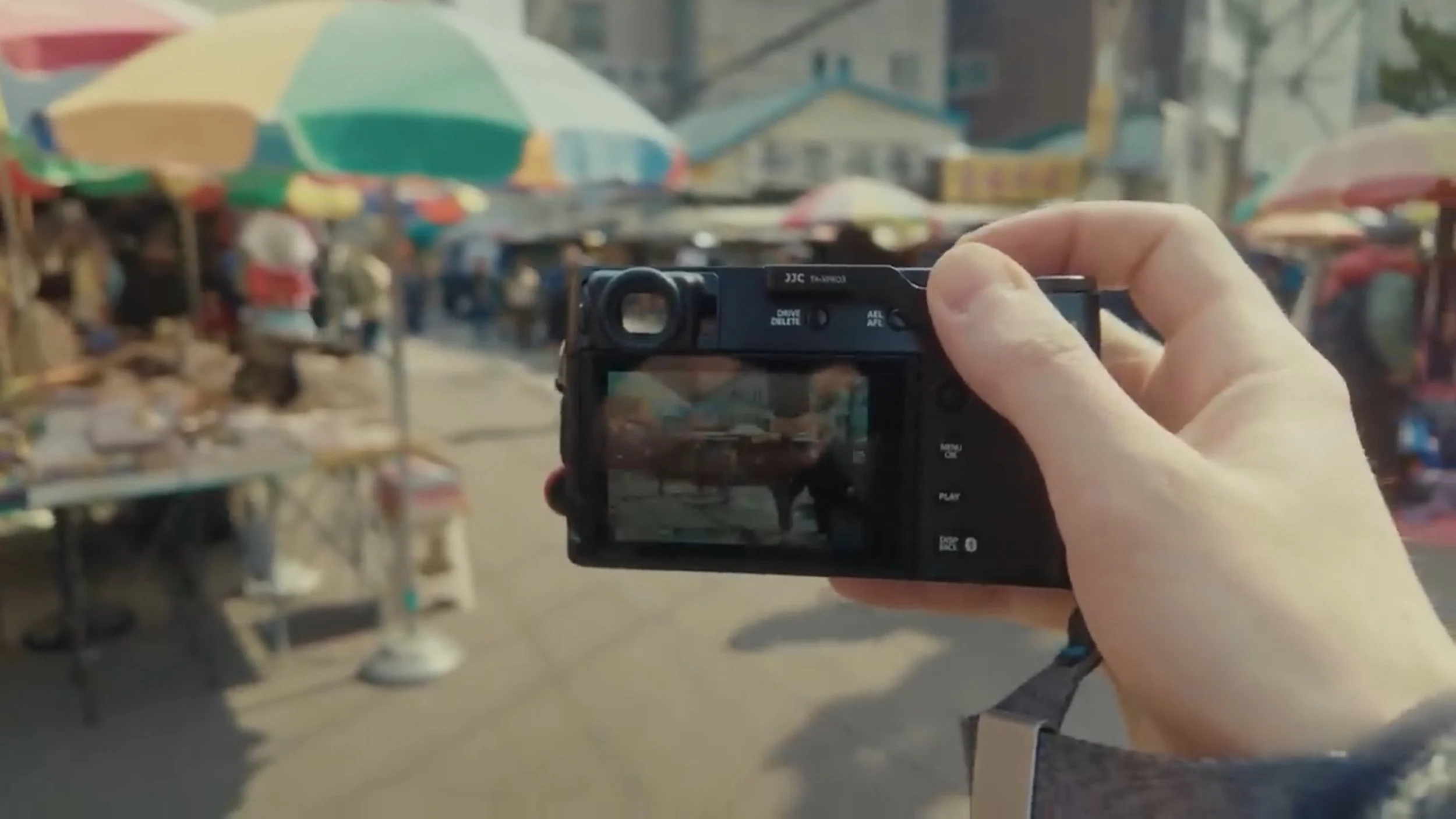
Photography wise I've loved having a leaf shutter again with some faster autofocus, much like my old Sony RX1 which was great for street shooting, but it was the first version of that camera and the autofocus was really not great. I used my own makeshift zone focusing on that camera but it doesn't compare to the Fujifilm version that is already built in. So this Fujifilm X100VI feels like a nice APS-C sensor alternative to the latest Sony RX1R Mark III.
It's still early days for me and the Fujifilm X100VI, but I think this combination of the classic X100 fixed 23mm lens with the faster autofocus and this ability to zone focus and also shoot in video with an ND filter just makes a lot of sense to me in a camera, which is the first time I can ever say this about a camera from Fujifilm.
Fujifilm Colours & Presets
In terms of colours, well it's a Fuji. Everyone will tell you how good the colours are out of this camera and I haven't done any of my own tweaking with film simulation recipes yet, but I will have a play around soon.
So far I've just been using the Astia film simulation just for on the back of the camera as an image preview which makes previewing my RAW files in camera a lot nicer and then I'm editing all of my RAW files in Lightroom.
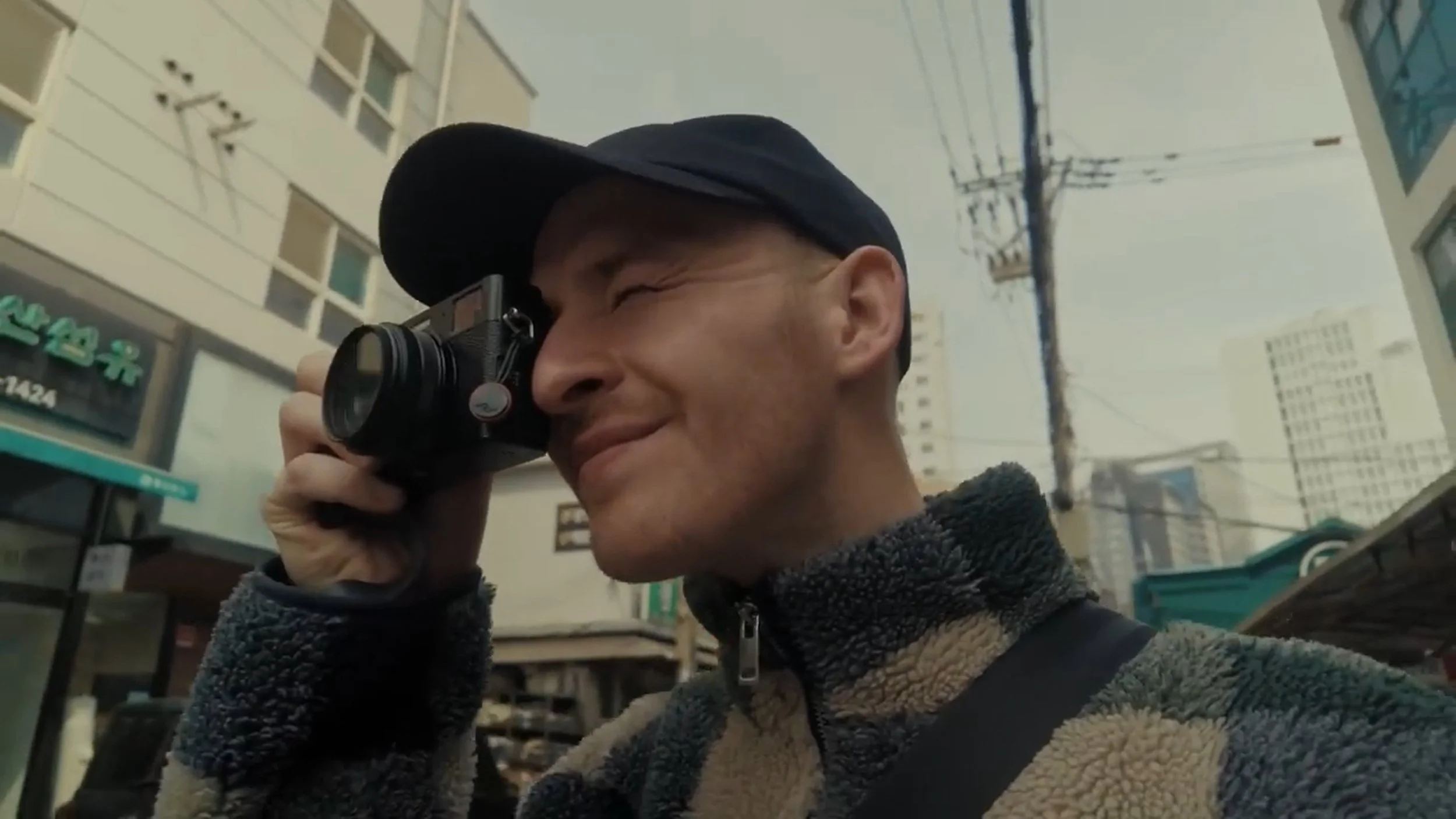
Final Thoughts & Alternatives
Okay, so have I drank the Kool-Aid here on the Fujifilm X100VI? Well not really. I'm still critical enough to be able to assess what is good about this camera and what is not great about this camera, and I've never really been one to rush into a new camera when it is first released.
This camera has been out for the best part of a year if not over a year at this point, and I wasn't particularly hyped on the X100V before that which went crazy viral and I was definitely interested in but I never really took the leap to pick one up.
If it weren't for the convenient ability to be able to switch from photo to video mode and with a quick press to activate the ND filter I don't think I would be as interested in this camera. But the fact that we have the ability to zone focus, shoot with a leaf shutter on a fixed 35mm equivalent lens, and then switch over to video and quickly tap on an ND filter just makes this a very unique value proposition for someone who shoots street photography and also likes to get B-roll for both myself and for someone else when I'm out filming. The stress of carrying a dedicated photo camera and then a video camera all the time for quite long days can kind of weigh you down, so having something that can consolidate all of that into one camera on occasion can be really, really useful.
Help support this ad-free blog by checking out my store.
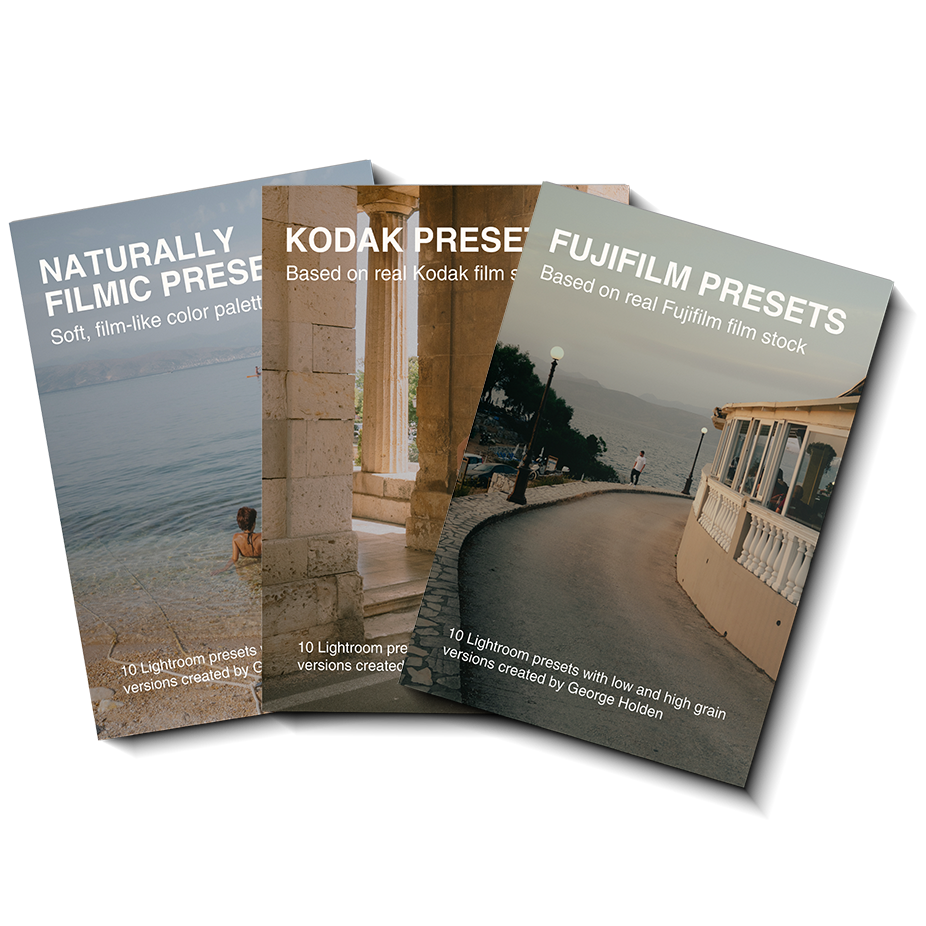
What style can I expect from these presets?
These presets are based on specific Kodak Film Stocks, Fujifilm Film Stocks and various film stocks I have shot in various lighting conditions which you can see in the preview images for each pack.
How many presets are in this pack?
30 - with low and high grain versions for each preset.
Each preset has both .xmp and .dng file types.
Which software supports these presets?
You can choose from these Adobe softwares:
Lightroom Classic
Lightroom CC Desktop
Lightroom CC Mobile
Photoshop (adobe camera raw)