The Best Premium Compact Camera
What if you don't want a fancy high-end professional camera? What if you just want a normal camera for a normal person? And by that, I mean an all-in-one premium compact camera with excellent image quality and ease of use.
This gap in options for the casual photographer is very real. Since smartphone photography has become the default, actually buying and owning a dedicated camera feels like a much harder decision, not the obvious choice. There now feels like there's much more of a learning curve, as in you actually have to learn about curves. And that's a whole thing.
So when a casual photographer sees the standard options from the big brands, the prices for a camera body, for lenses, SD cards and software subscriptions, no wonder they're feeling a little bit intimidated.
That's why this specific category of camera has actually become more popular. These haven't just suddenly popped up out of nowhere, but they've definitely found their kind, more casual normal person audience outside of the enthusiasts and the professional photographers.
The Sony RX1 Series & RX1R Mark III
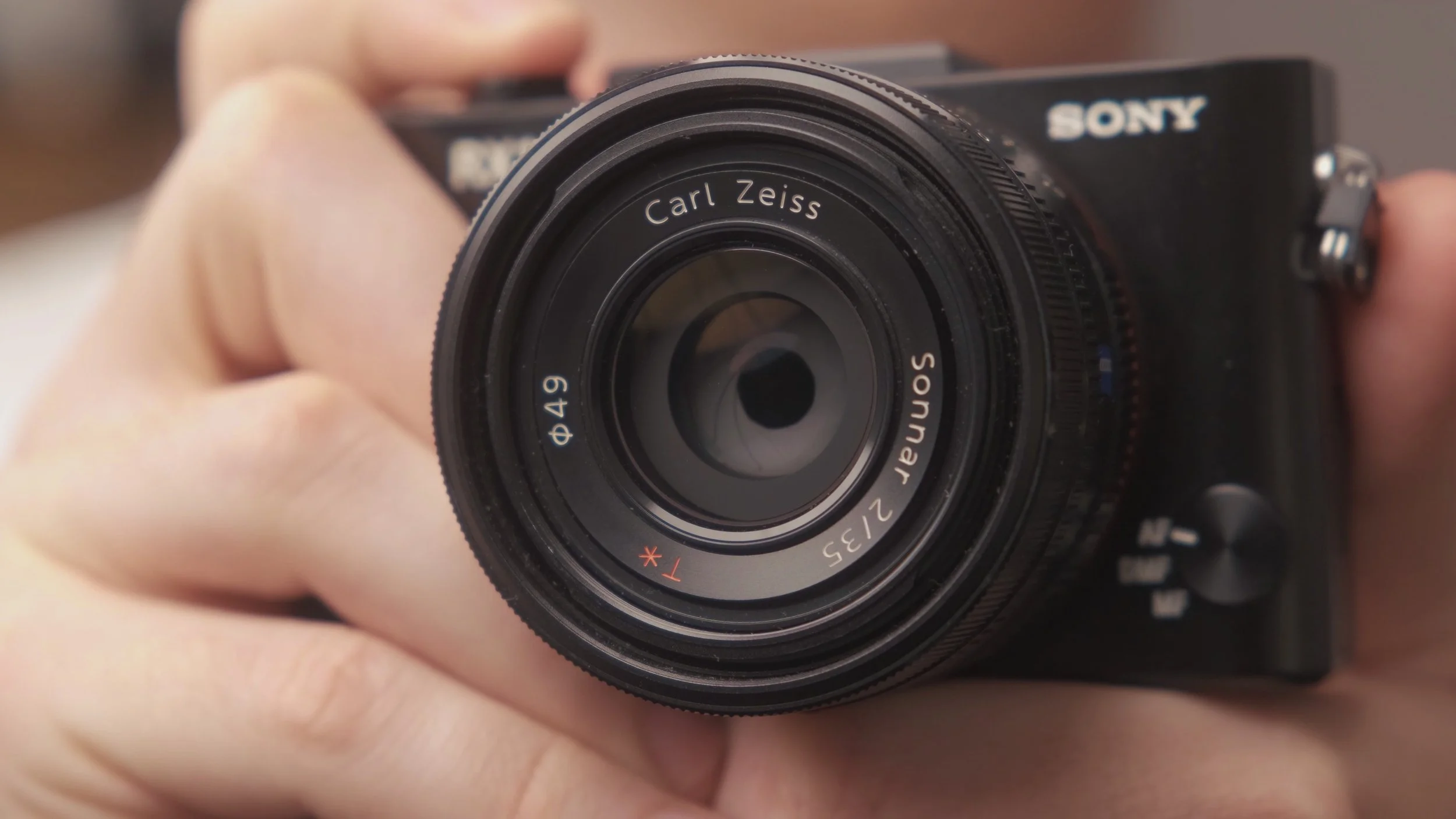
Having been a proud owner of the original Sony RX1 for a good year and a half or so, I loved the RX1, but I sold it because that slow autofocus on the original version was just too difficult to deal with after a while. Little did I know that only like a year or so later Sony would go all in and release the latest iteration in the form of the RX1R III.
You have this amazing 35mm f/2 Zeiss lens much like on the original and that is almost worth the deal on its own. That lens with a full frame sensor that you can fit inside a jacket pocket is pretty hard to beat.
The two biggest shortcomings cited on the RX1R III have been:
The price versus the value that the camera offers
The lack of in-body image stabilisation (IBIS)
However, considering a 61 megapixel full frame sensor usually goes for a ton of money in other camera bodies without the lens and the size benefit, to me the price actually does make sense, even if I wouldn't personally spend that much money on the new camera itself. On the IBIS front, the size of the body versus the size of the sensor is also a factor, which is kind of the opposite end of the spectrum to one of the cameras we're talking about later.
The Fujifilm X100VI
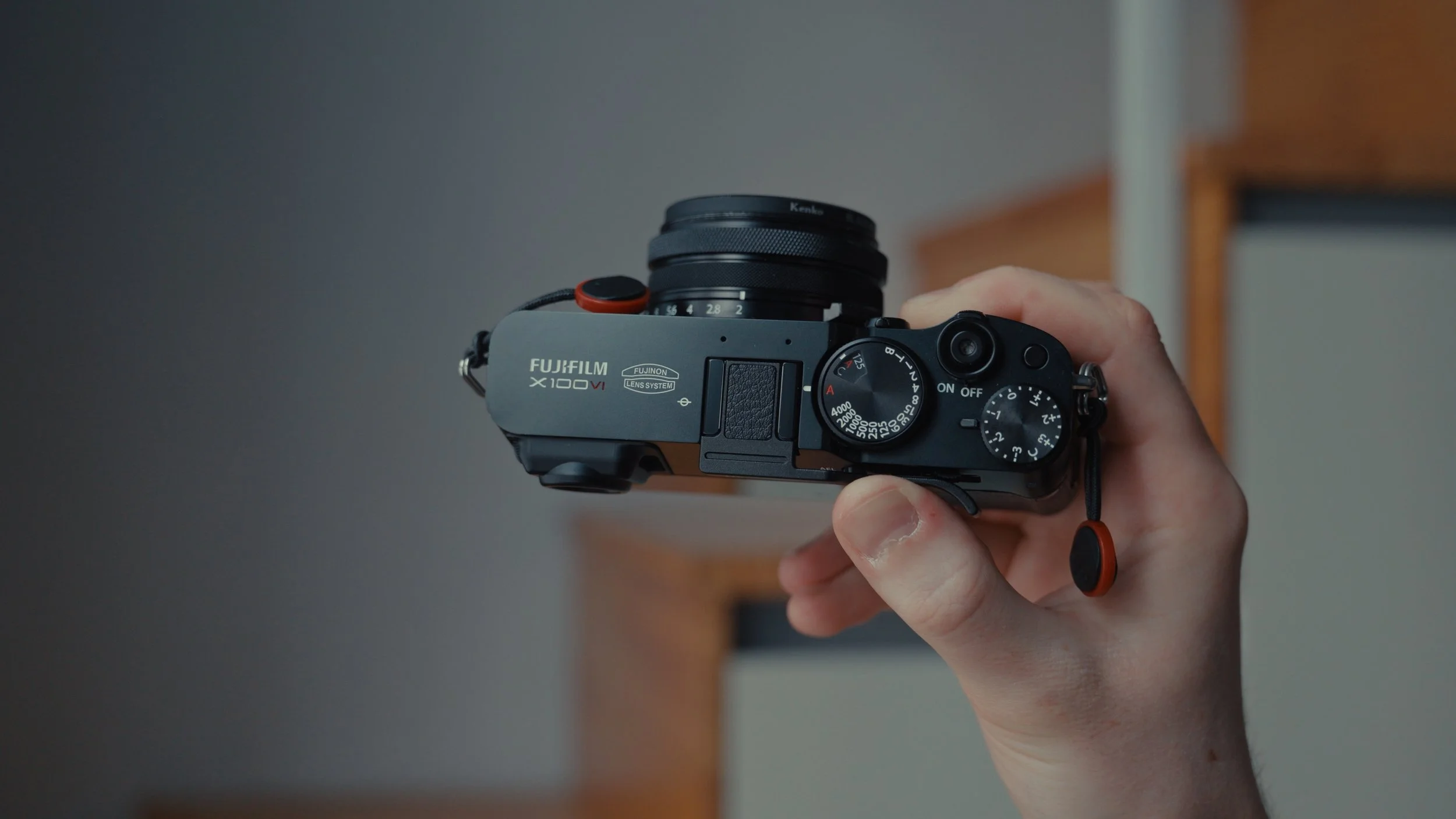
Since 2011, Fujifilm have been creating the very popular X100 line of cameras and they have come a long way over the last few years. For years there were small iterations and gaining popularity before a significant jump in both features and crazy worldwide popularity with even non-photographers.
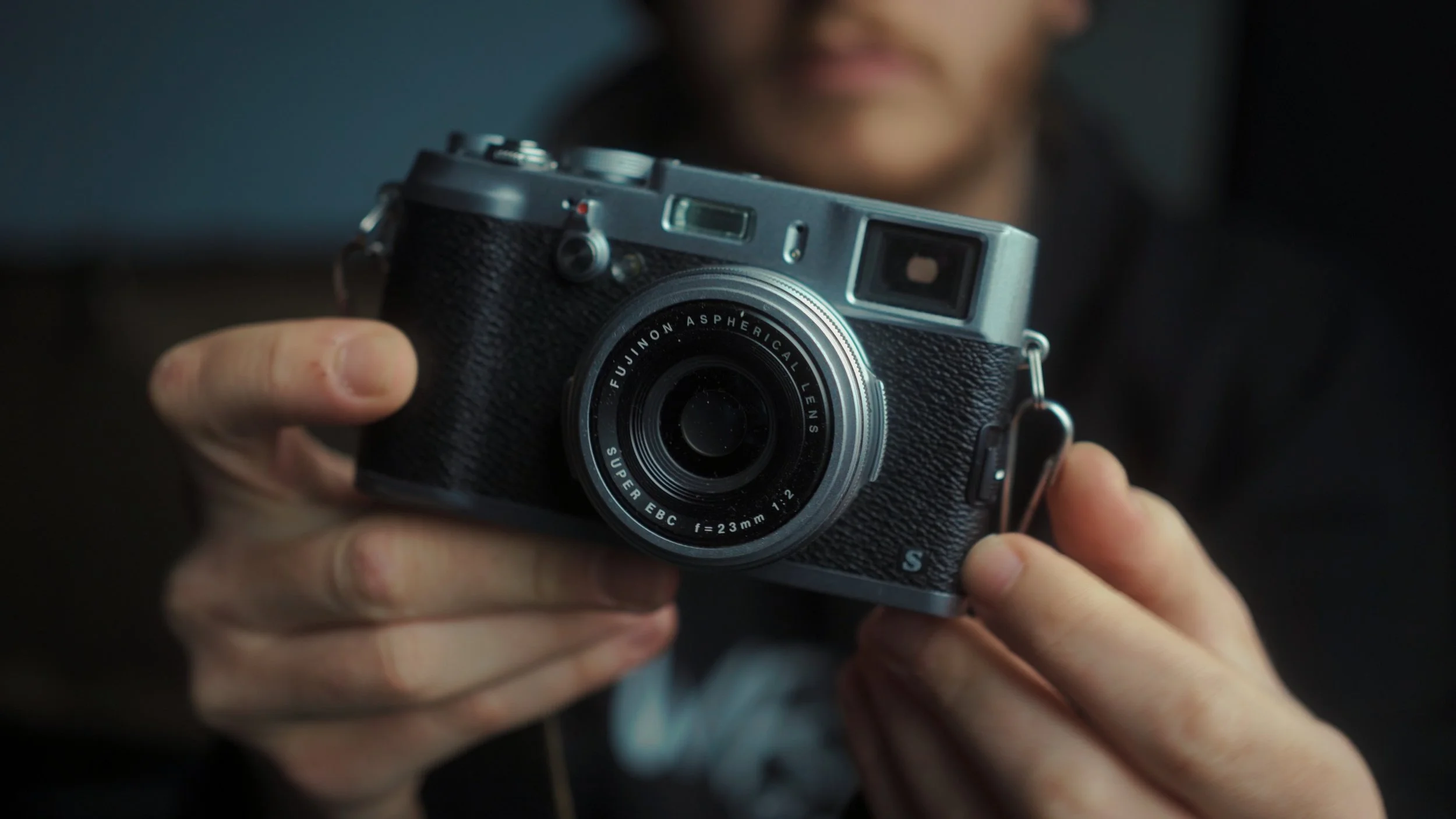
I was an X100S owner back in 2021, that was the second iteration of this camera and I owned it several years after that had come out and I really enjoyed using it, but it's hard to compare that second generation with the current sixth generation of this camera.
The current Fujifilm X100VI that I own at the moment features:
A 40 megapixel APS-C sensor
The famous hybrid viewfinder still from the original cameras
In-body image stabilization (unlike the RX1R Mark III)
A built-in ND filter for slow shutter photography and for video shooting
A tilt LCD (also unlike the RX1R Mark III)
A leaf shutter
It's a street photography camera with unnecessarily strong video credentials which I think makes it a very complete and unique package, although not everyone agrees (it definitely has a fair few haters out there).
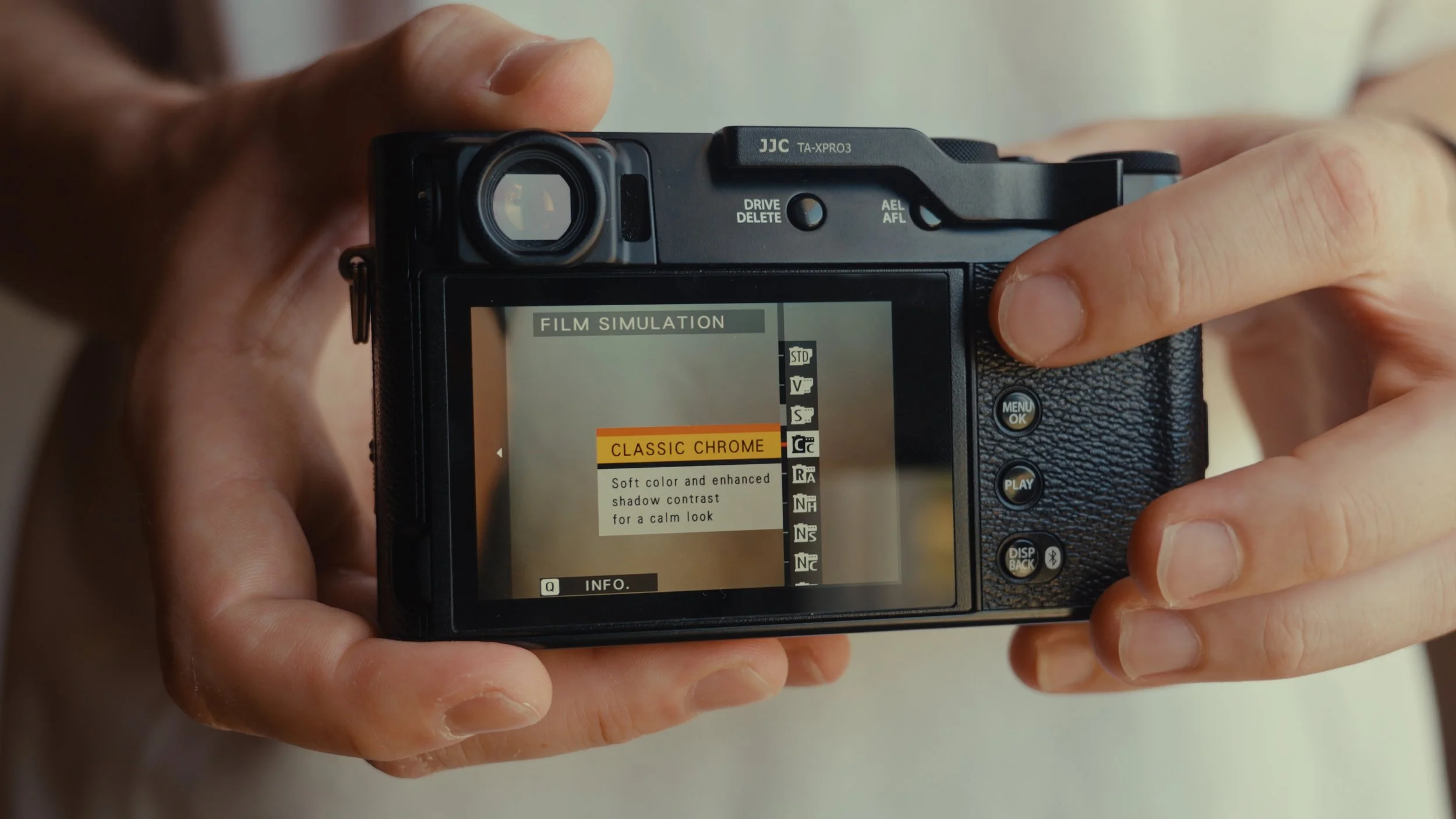
All of this without even mentioning Fujifilm's famous film simulations: that one unique factor that gives you the option of shooting high quality images in lovely colors without the need to ever edit your RAW files. I think that is one of the main USPs for this camera that makes so many normal casual photographers pick up this camera for the first time without needing to worry about software subscriptions or learning how to use curves or anything like that. You'll never have to touch editing software if you shoot on a Fujifilm, that's kind of the promise everyone is being sold.
The Lumix L10
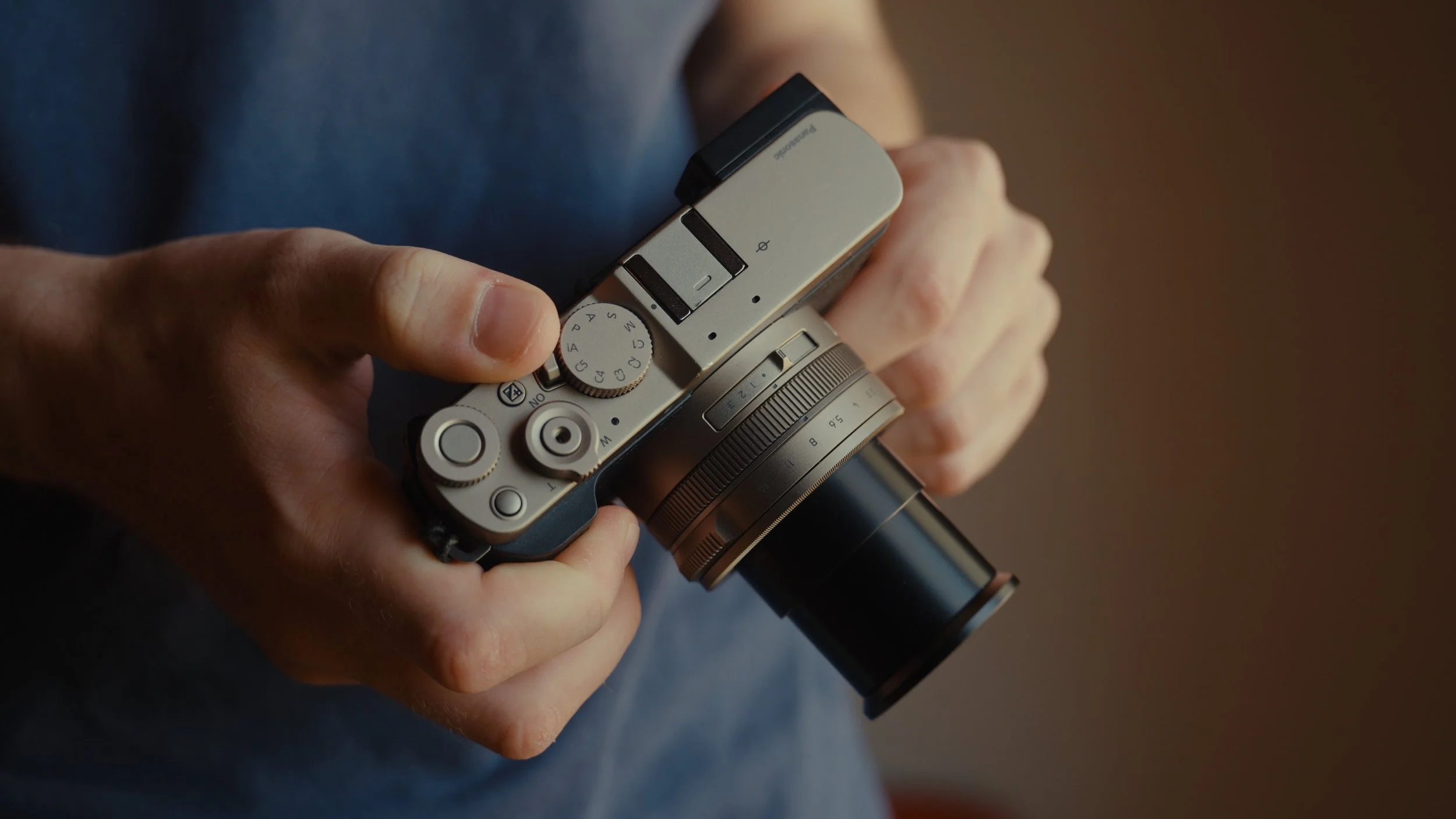
After years of wanting and waiting, the Lumix camp in the Micro Four Thirds community finally had their prayers answered.
Lumix graced us with this: the new Lumix L10. It has the same fixed zoom lens design as the old LX100, the LX100 Mark II and Leica Deluxe cameras, but with updated ergonomics in the form of a larger body with a flip LCD.
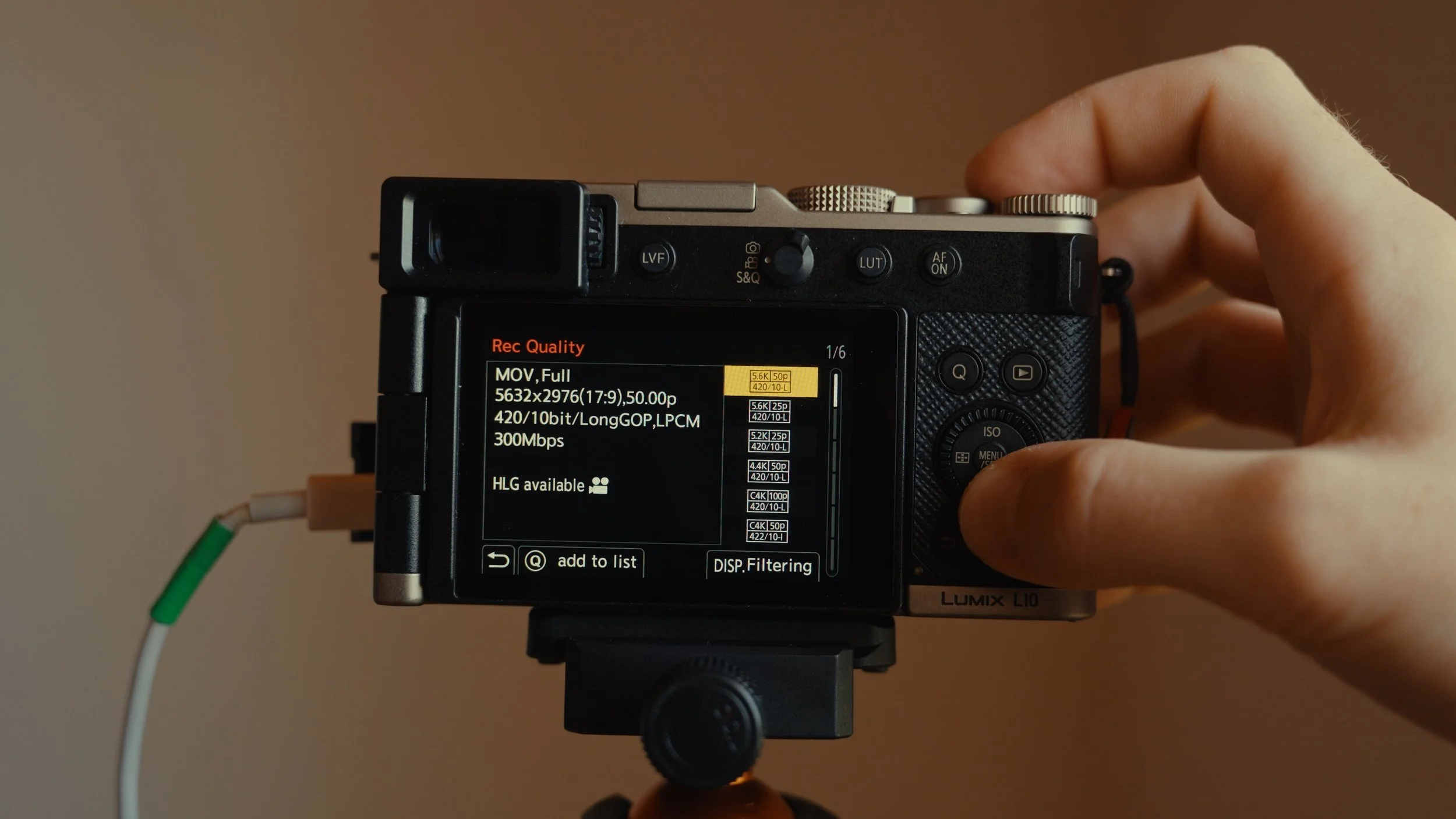
What's not to love? Well, the video forward company decided to opt out of the internal ND and IBIS. It's something that their incredibly photo-centric competitor managed to put inside a smaller body with a larger sensor.
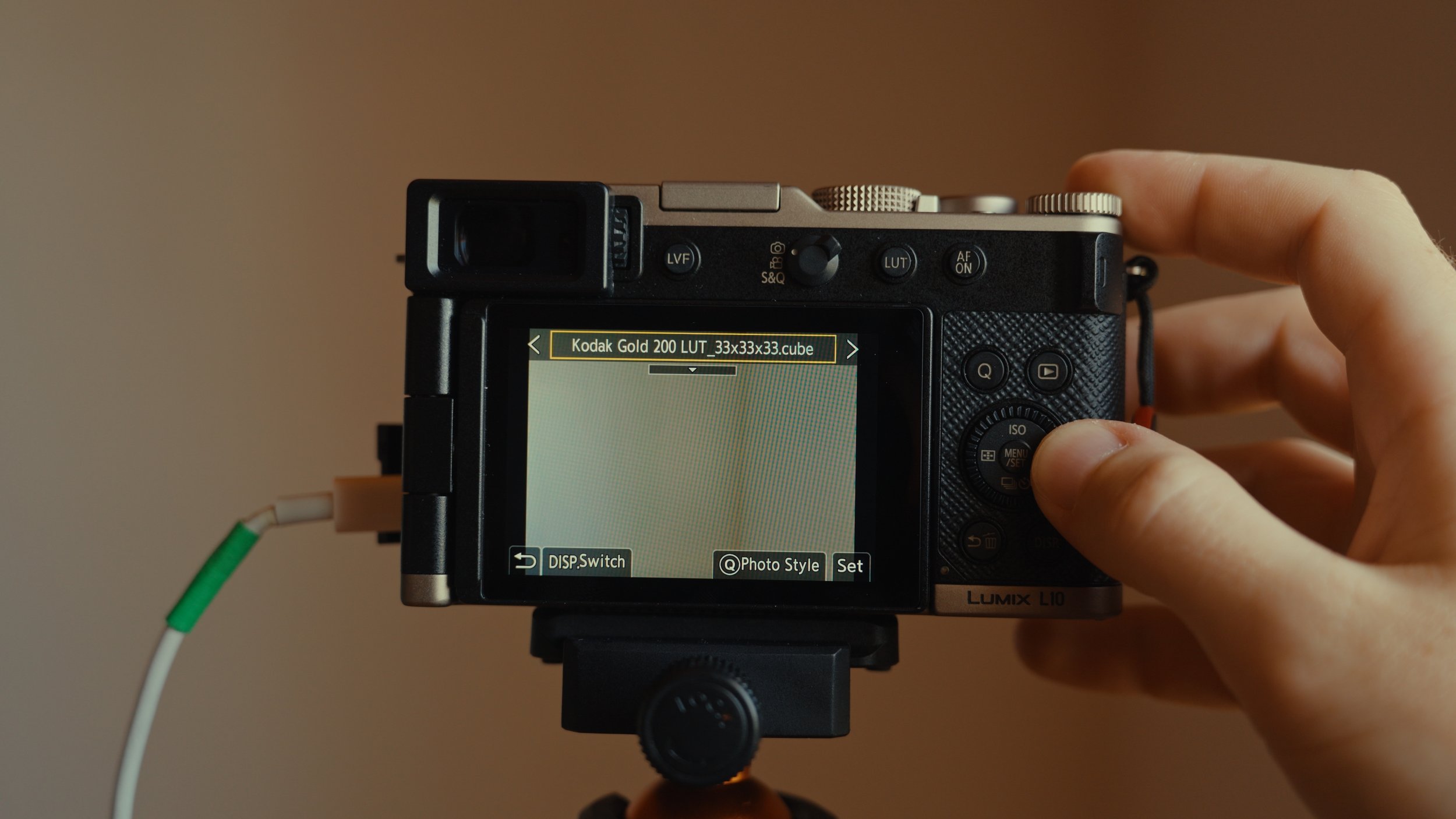
But did they learn anything from Fujifilm's success? Yes. Well, they saw film simulations and thought, "Let's give it a more nerdy, less catchy name," and they implemented their new real-time LUT feature that has been around since the launch of the S9 a couple of years ago.
This actually does feel very at home in the L10, and this whole ecosystem is still building out and it's becoming incredibly easy to find great LUTs that you want to shoot with.
Help support this ad-free blog by checking out my store.
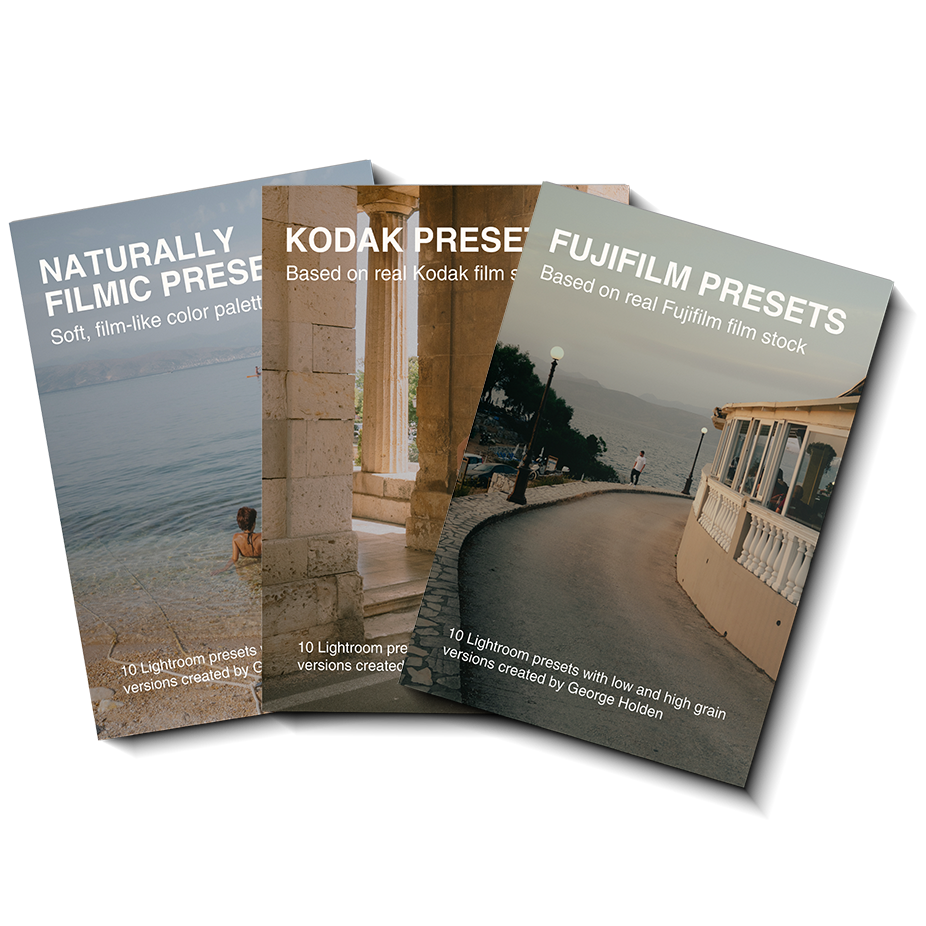
What style can I expect from these presets?
These presets are based on specific Kodak Film Stocks, Fujifilm Film Stocks and various film stocks I have shot in various lighting conditions which you can see in the preview images for each pack.
How many presets are in this pack?
30 - with low and high grain versions for each preset.
Each preset has both .xmp and .dng file types.
Which software supports these presets?
You can choose from these Adobe softwares:
Lightroom Classic
Lightroom CC Desktop
Lightroom CC Mobile
Photoshop (adobe camera raw)